Parsa stakeholders agree to clean up the polluted Sirsiya river
Summary and headline written by AI from the source article. How we work
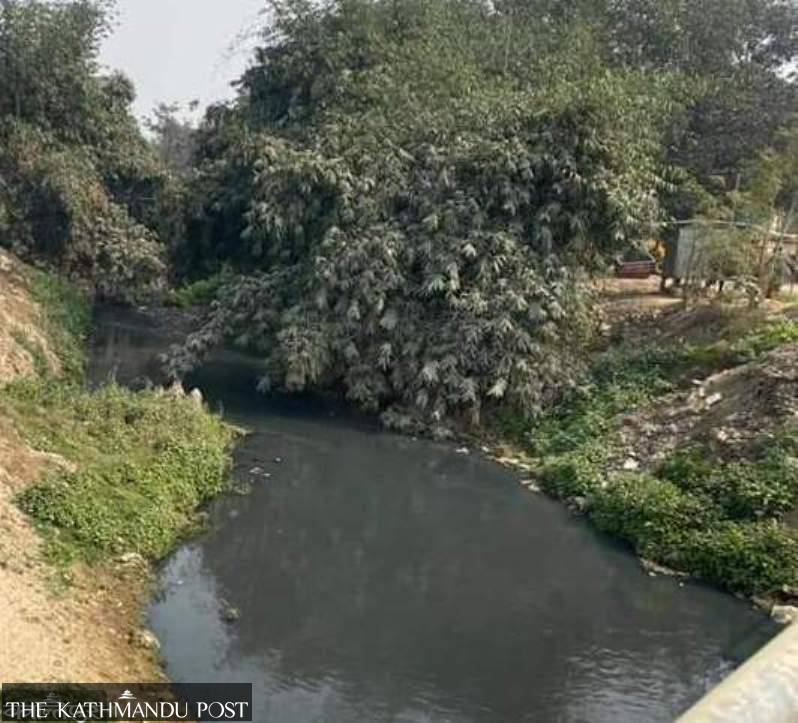
Local authorities and stakeholders in the Parsa district of Nepal agreed to a joint plan to clean the Sirsiya river, which has suffered from industrial pollution for over 40 years.
Chief District Officer Bhola Dahal and Birgunj Metropolitan City Mayor Rajeshman Singh led a meeting to adopt a five-point plan to manage waste. The agreement prohibits industries in the Parsa-Bara industrial corridor from discharging untreated, chemically contaminated wastewater into the river.
These industries must now operate their effluent treatment plants at full capacity 24 hours a day. The plan includes a shared treatment facility for small and medium-sized businesses that cannot afford their own systems. The Birgunj Chamber of Commerce & Industries will lead the project with government subsidies while authorities identify land and conduct feasibility studies. Additionally, Birgunj Metropolitan City and neighboring local governments will build alternative drainage channels to divert municipal sewage away from the river.
The group will also establish a Sirsiya River Conservation Fund with contributions from three levels of government to support long-term restoration. To prepare for the Chhath festival, authorities urged industries to stop discharging any waste or materials into the water during the period. This pollution has historically affected residents in Parsa, Bara, and downstream communities in India.