Nepal’s health system tested by recent flooding
Summary and headline written by AI from the source article. How we work
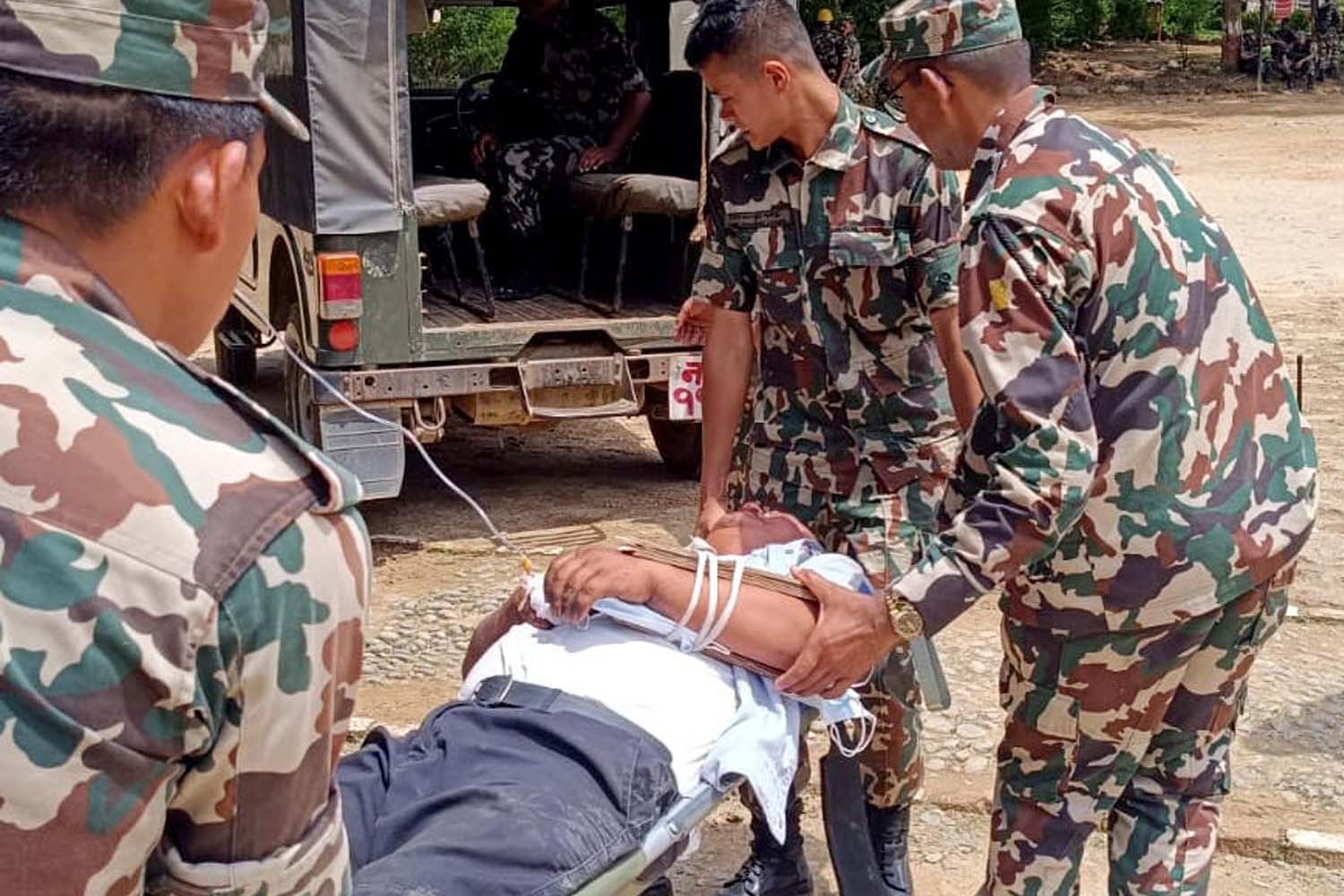
Following the Bhotekoshi River flood in Nepal, the country’s health system demonstrated improved responsiveness compared to past disasters like the 2015 earthquakes.
The Health Emergency Operations Centre activated, and hospitals accepted patients while expanding disease monitoring. Nepal invested in emergency preparedness and medical teams after the earthquakes, and these investments were visible during the flood response. However, the flood revealed that Nepal's health system still struggles with integrating various capable organizations into a unified operational system.
Multiple agencies, including the Ministry of Health, the Nepali Army, the police, and UN organizations, contributed resources, but lacked a single command structure. While coordination allowed communication, effective command to direct resources remained a challenge. The response also highlighted gaps in mass fatality management. Recovering bodies that had been swept downstream or exposed to water for extended periods required coordination between forensic experts, security forces, and local authorities.
Nepal made progress in collecting biological samples and using DNA profiling, but lacked sufficient mortuary facilities and refrigerated storage. As Nepal faces increasing climate-related disasters, strengthening these capabilities, along with logistics and health information systems, will be crucial for future responses and long-term recovery.