Centuries-old block prints showcase Kutch community stories
Summary and headline written by AI from the source article. How we work
Dr Ismail Mohammad Khatri, a 67-year-old artisan from Gujarat, India, is exhibiting a decades-old collection of block prints at Dastkari Haat Studio in South Delhi.
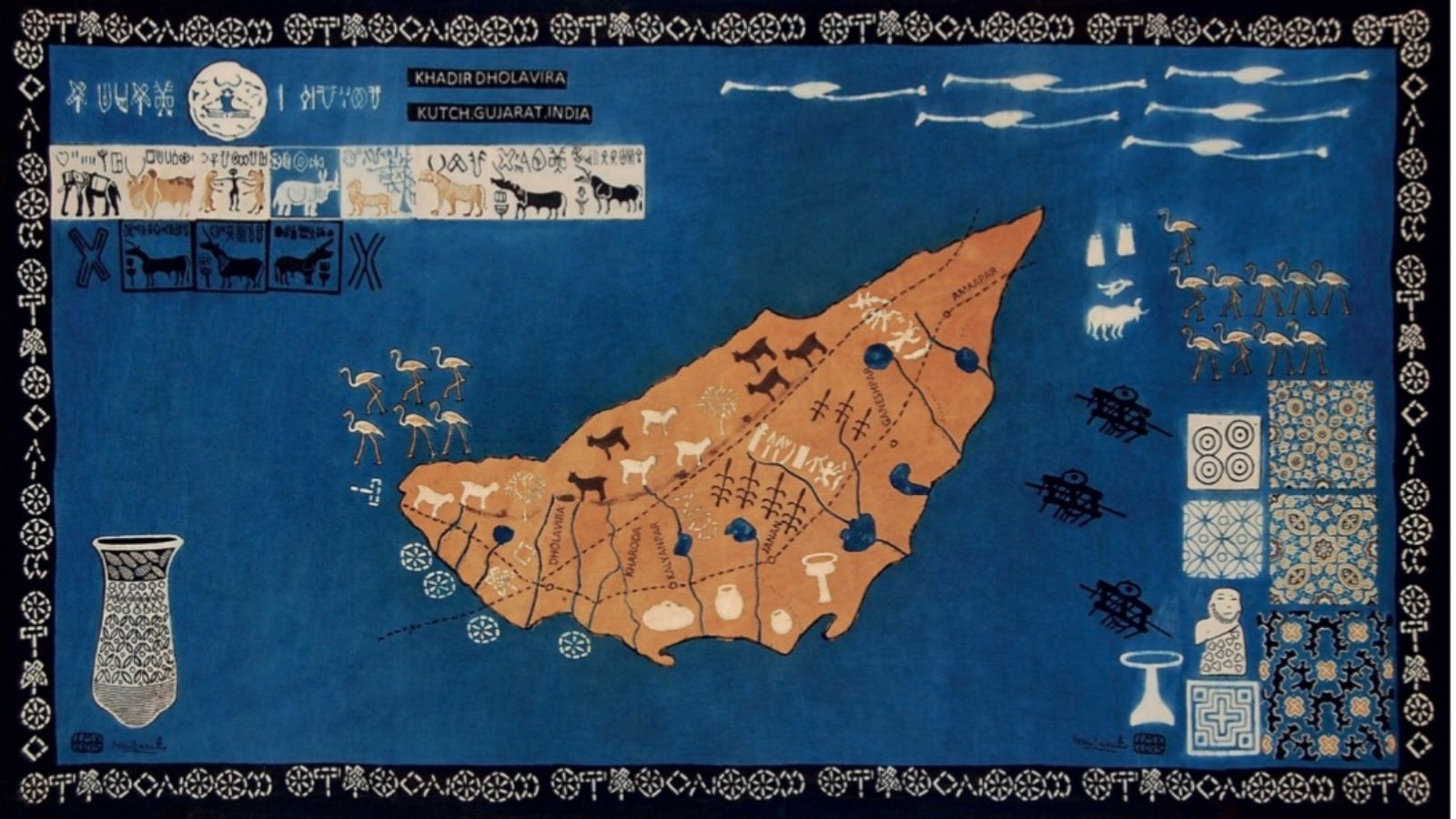
The exhibition, titled ‘Maldhari Block Prints, You Have Not Seen Before’, opened on September 17 and runs until September 20. These prints depict motifs with historical significance relating to the pastoral Maldhari communities of Kutch, a region in Gujarat.
Dr Khatri and his brothers revived the nearly 45-year-old collection, showcasing items priced from Rs 5,000 to Rs 25,000. The Khatri family has a long history with Ajrakh, an iconic block-printing technique, and first brought the craft to wider attention in India during the 1980s, attracting customers like actresses Shabana Azmi and Smita Patil.
They connect Ajrakh to the Indus Valley Civilisation, noting similarities between designs on a shawl from Mohenjodaro’s Priest-King and current Ajrakh patterns, suggesting the craft is over 4,000 years old. The family originally planned to exhibit the prints six years ago, but the Covid pandemic delayed their plans. Each motif in the collection tells a story about Maldhari life, such as ‘Ladudo’ representing camel bundles or ‘Fuldi’ indicating wind direction.
The dyes used in Ajrakh printing offer practical benefits, keeping people cool in summer and warm in winter, and bright colours aided visibility in the desert. The Khatri community migrated to Kutch from Sindh, Pakistan, in 1586, and later relocated to Ajrakhpur after the 2001 Bhuj earthquake and a subsequent water shortage, receiving a grant to build effluent treatment plants.