Modi government resolves long-standing interstate disputes
Summary and headline written by AI from the source article. How we work
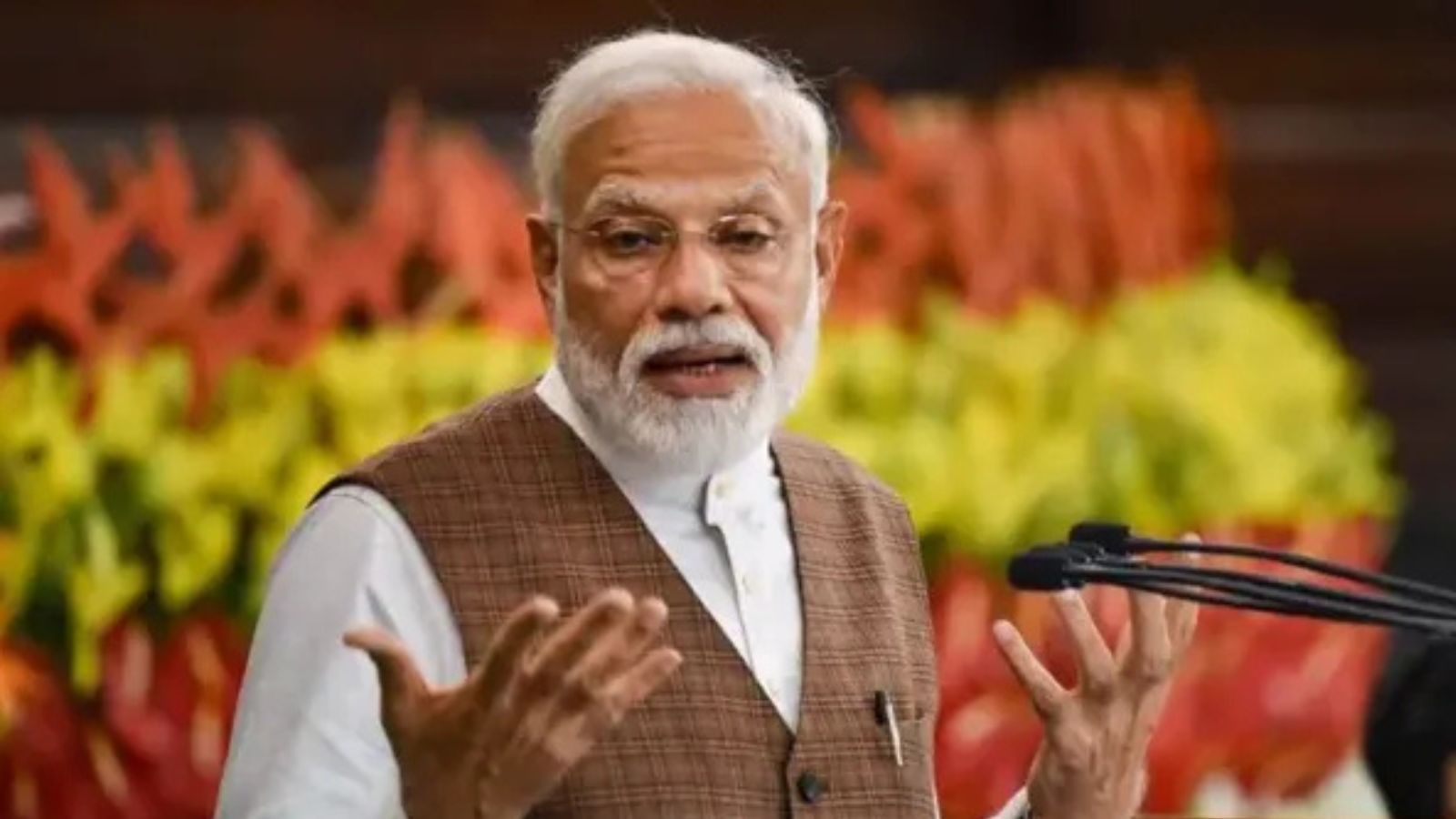
Himanta Biswa Sarma, Chief Minister of Assam, reports that the government of India, led by Prime Minister Narendra Modi and Union Home Minister Amit Shah, has recently resolved several long-standing disputes between Indian states.
Modi, having served as Chief Minister of Gujarat, understood how disagreements between states and the central government could hinder progress. Shah then took the lead in formalising agreements to resolve these issues.
Over the last few months, the Home Ministry signed agreements between Assam, Nagaland, and the central government, as well as between Himachal Pradesh, Uttarakhand, Haryana, Rajasthan, Uttar Pradesh, and Delhi, to revive the Kishau Multipurpose Dam Project. Rajasthan and Haryana reached an agreement to implement a 1994 water-sharing plan after 32 years. Maharashtra, Gujarat, Madhya Pradesh, and Rajasthan settled decades-old debts related to the Narmada Award.
Bihar and Jharkhand also signed an agreement to end a 25-year dispute over the Sone River, and Andhra Pradesh and Telangana agreed to resolve issues regarding shared assets. These resolutions address disputes that spanned decades and involved significant territories, like a 1,000 square kilometer border area between Assam and Nagaland where oil exploration had stopped. The agreements often involve new financial arrangements, such as a 50:50 split of hydrocarbon revenue between Assam and Nagaland.
Sarma also points to peace accords and agreements in the Northeast region of India, which have led to an 80 percent reduction in the area covered by the Armed Forces (Special Powers) Act. Sarma believes these agreements demonstrate a rejuvenation of India’s federal structure and a commitment to cooperative federalism, a vision Modi first expressed in 2015. He suggests this approach will help India achieve its goal of becoming a “Viksit Bharat” (developed India) by 2047.