Mass production transformed Hindu religious art into everyday household objects
Headline and summary by local AI
Artist Raja Ravi Varma and his lithographic press transformed the way Indian people interact with religious imagery by moving it from temples into private homes.
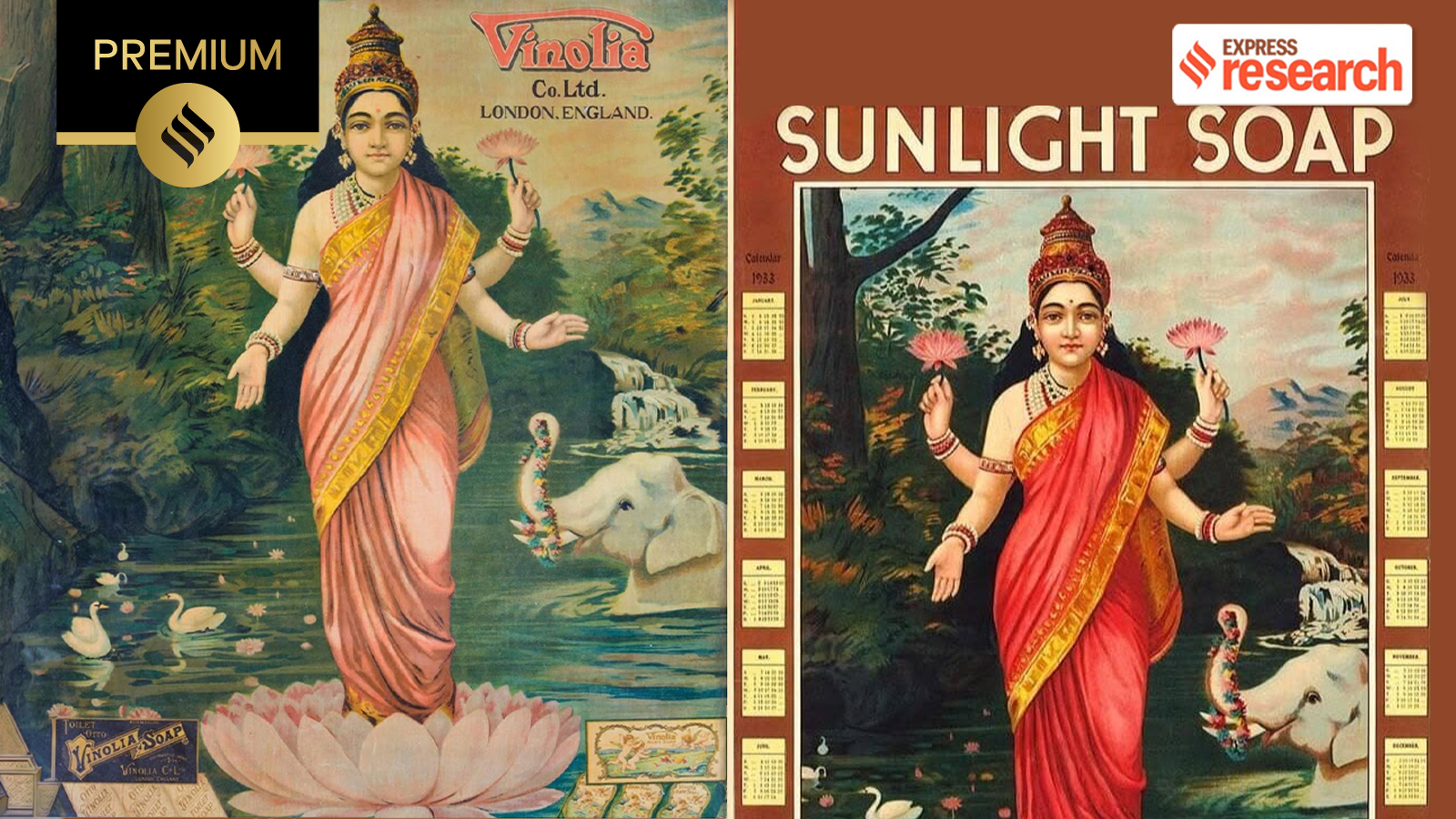
By using Western realism to depict Hindu gods with human features, Ravi Varma made divine figures appear more immediate and relatable to devotees. His press used steam-powered machines imported from Germany to produce hundreds of prints every hour, making these images accessible to people across all social classes.
The evolution of these images began with the Vedic concept of Sri, a term for splendor and majesty that eventually became personified as the goddess Lakshmi. While early religious art was often symbolic and otherworldly, Ravi Varma's style allowed people to see the goddess as a tangible presence. This shift enabled the widespread distribution of prints, which quickly moved beyond elite collections and into the daily lives of the general public.
By the mid-20th century, these religious images appeared on a wide variety of consumer goods, including soap wrappers, matchboxes, and firecracker packaging. Regional preferences also shaped how these images appeared, such as the distinction between standing and seated depictions of Lakshmi in northern and southern India. For many devotees, these images serve as a way to invite the divine presence into their homes and workplaces.
Selected and summarized by local AI How we work
Discovery: Archaeology, new knowledge of art, culture and history, forgotten history uncovered, something lost restored.