Epilepsy surgery offers seizure freedom for patients in India
Headline and summary by local AI
Two men in India regained their independence after undergoing epilepsy surgery to treat chronic seizures that medication failed to control.
Ravi Thorat, an IT professional from Kalyan, began experiencing sudden jerks and unexplained falls in his late twenties. Although he started medication, his seizures became more severe by his mid-thirties. Doctors identified a small brain tumour as the cause of his condition. Thorat underwent surgery in December 2020, which stopped his seizures and allowed him to stop his medication entirely.
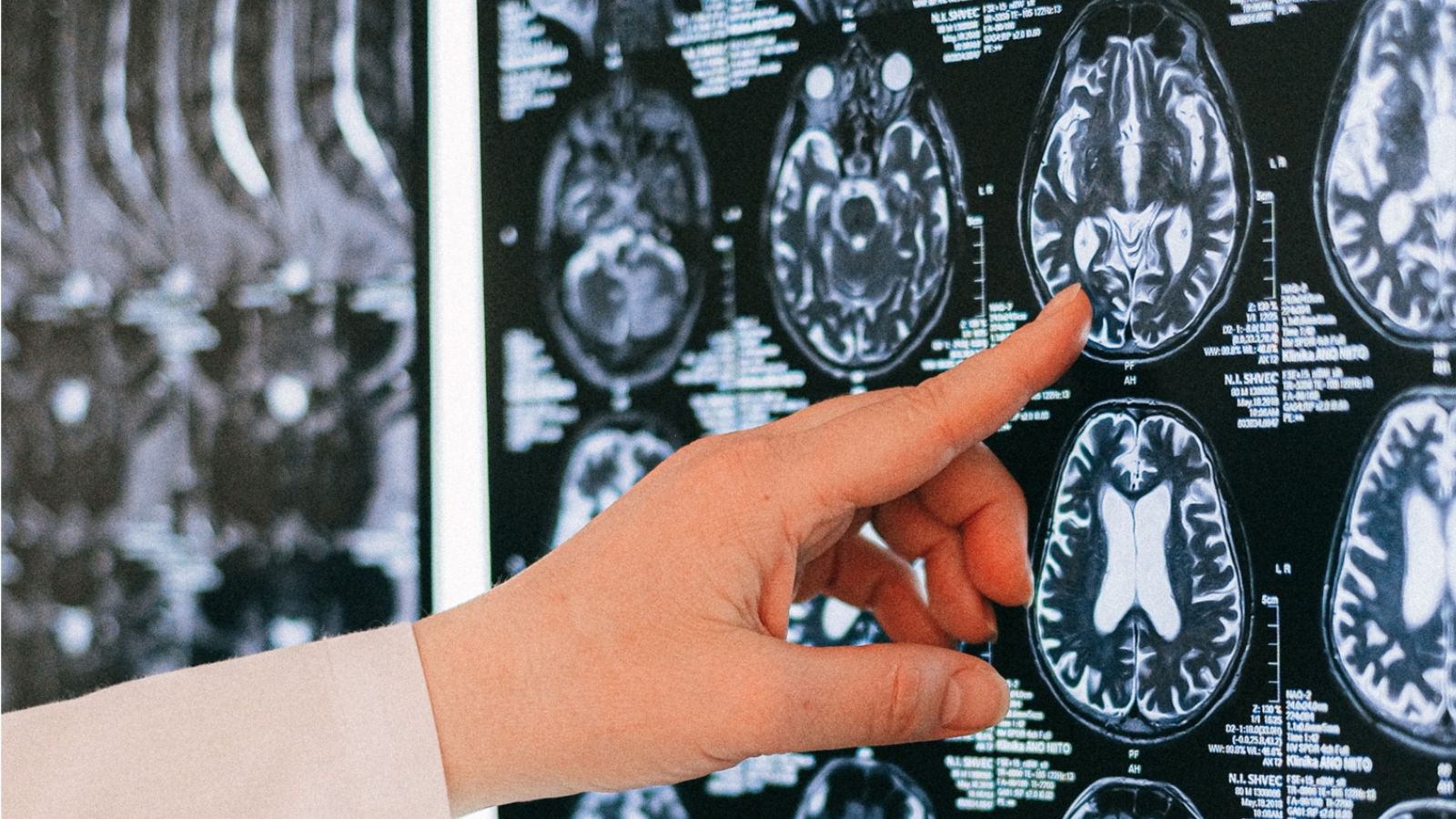
Rajesh Singh, a 37-year-old resident of Thane, suffered from fainting episodes and sensitivity to sounds for over a decade. He initially attributed these symptoms to anxiety during his engineering studies. After an MRI identified the underlying neurological issue, Singh underwent an eight-hour surgery in February 2019. He now lives an active lifestyle and no longer requires epilepsy medication. Dr Sangeeta Ravat, a Consulting Neurologist at Gleneagles Hospitals in Mumbai, notes that approximately 12 million people in India live with epilepsy.
While many patients manage the condition with drugs, surgery provides an option for those with identifiable structural abnormalities in the brain. Procedures like lesionectomy or temporal lobectomy can offer a success rate of 70 to 80 per cent for seizure control. The medical community is working to improve access to these treatments. Dr Ravat stated that India has between 2,500 and 3,000 neurologists to serve the population.
She also noted that the inclusion of epilepsy surgery under the Pradhan Mantri Jan Arogya Yojana government scheme and Mediclaim coverage helps eligible patients access these procedures.
Selected and summarized by local AI How we work


