Cultural exchange and shared traditions unify diverse communities in India
Headline and summary by local AI
Indians from different religious and regional backgrounds participate in each other's festivals, creating a shared sense of community through food, rituals, and art.
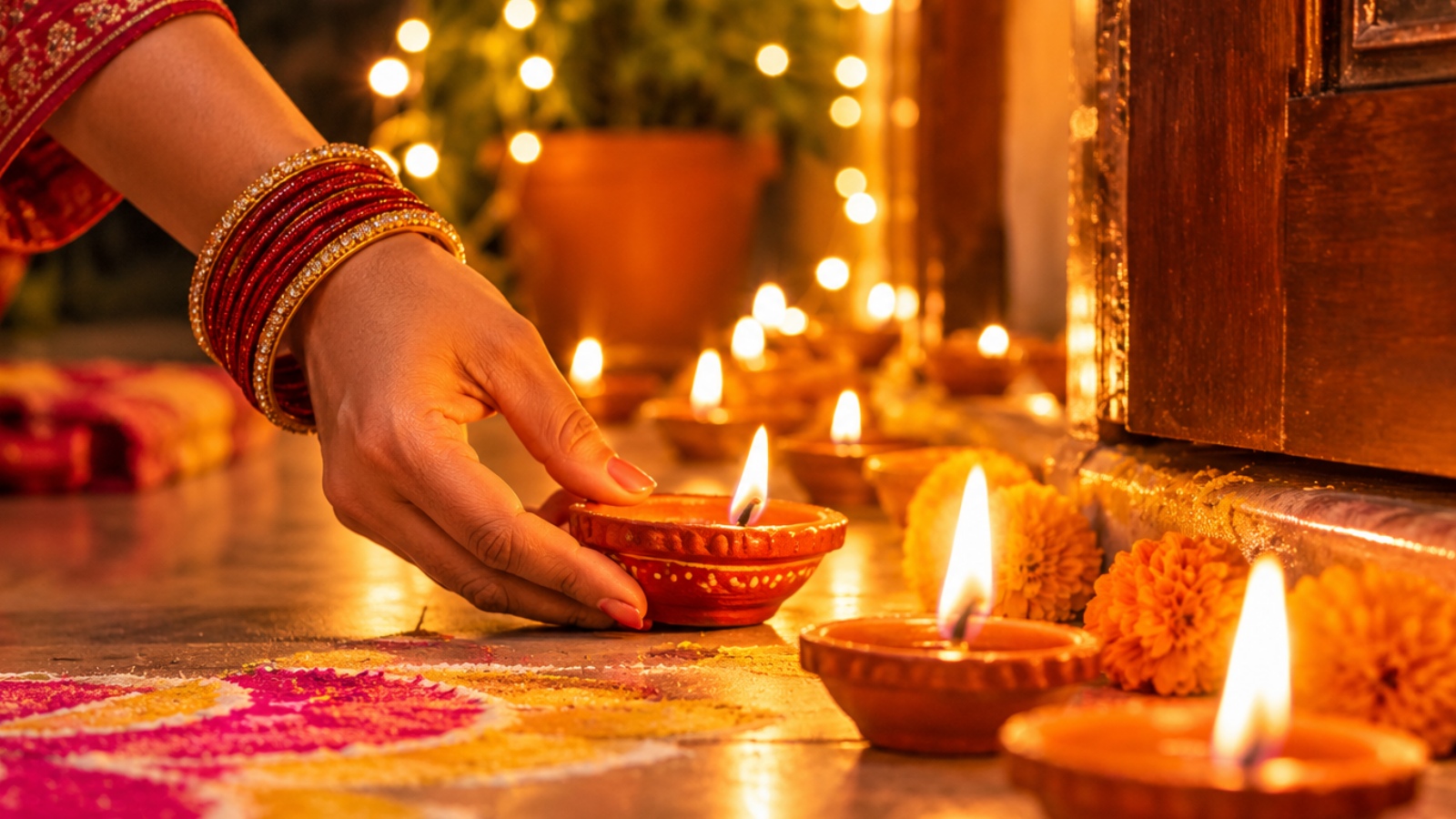
In cities like Delhi, people of various faiths join together for celebrations such as Diwali and Holi. Workplaces often see employees from different cultures dressing in coordinated outfits and exchanging sweets. These interactions allow people to share personal traditions, such as lighting earthen lamps or decorating homes with lights.
Individuals also adopt the customs of neighboring communities through marriage or local proximity. A woman from Bihar participates in the Bengali tradition of Sindoor Khela, a ritual marking the farewell to the goddess Durga. Similarly, a woman who married into a Bengali family now joins in pandal hopping and eating Bengali delicacies during Durga Puja. In Assam, the Goria Muslim community shares deep cultural ties with Hindu and tribal traditions.
Members of this indigenous Muslim group celebrate all three major Bihu festivals and wear traditional Assamese clothes alongside Hindu neighbors. This harmony extends to the arts, as one Goria Muslim man has spent nearly 50 years designing Durga Puja pandals.
Selected and summarized by local AI How we work
Belonging: Community bonds, rootedness, and living cultural practices and heritage.