Kalighat paintings captured colonial life and local scandals in 19th century Bengal
Headline and summary by local AI
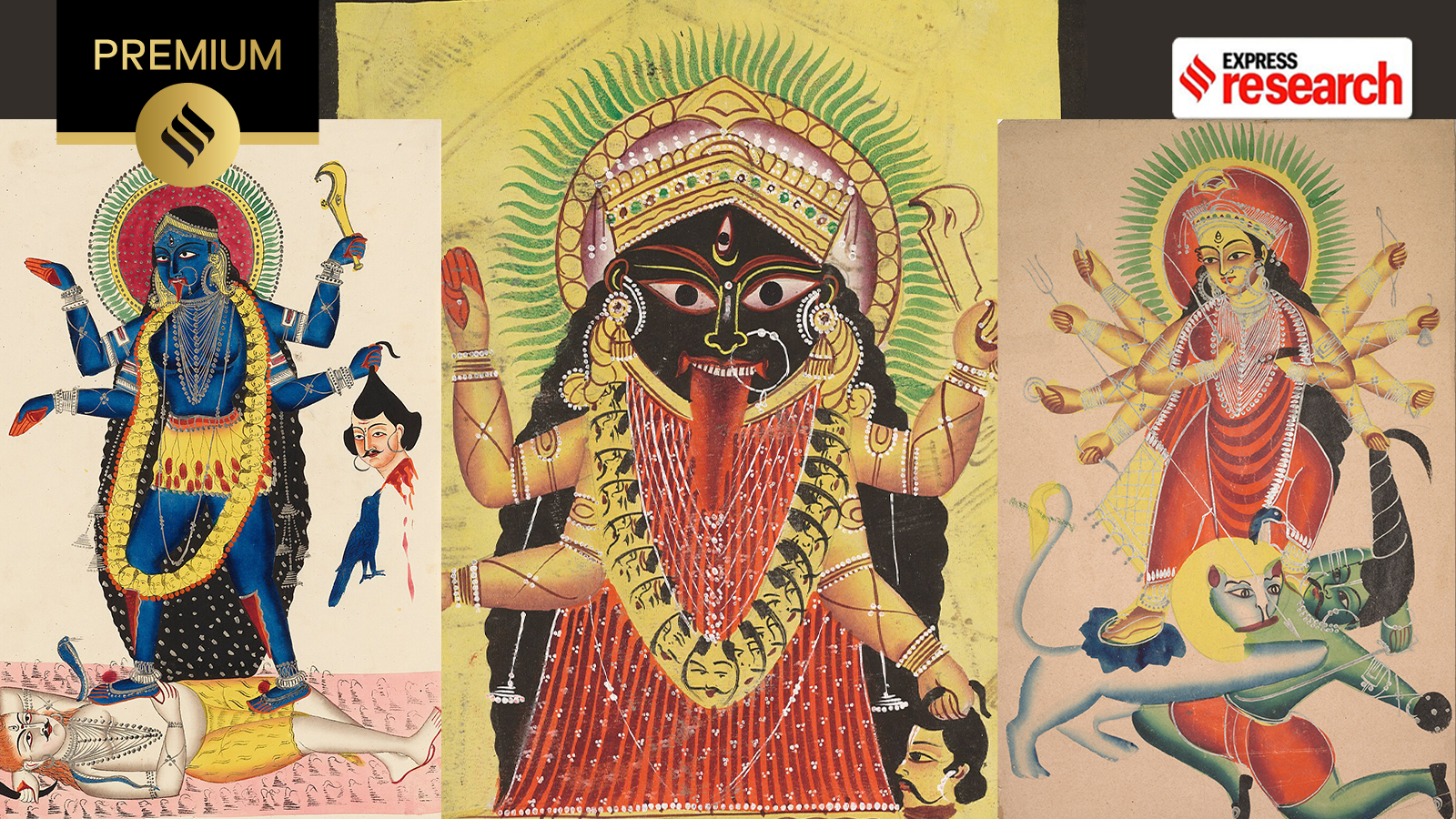
Patua artists in Bengal created small, portable Kalighat paintings during the 19th century to serve as souvenirs for pilgrims visiting the Kalighat Kali temple.
These artists moved from producing long narrative scrolls to creating single-sheet works on affordable mill-made paper. The new format allowed visitors to carry home images of goddesses and local life before official postcards became common in India. As Calcutta became a major urban center under British rule, the paintings began to reflect the changing social landscape.
Artists used a visual shorthand to depict the city's trends, including the rise of the Westernised Bengali gentleman, or babu. Some paintings included satirical elements, such as depicting the demon Mahishasura wearing European buckled shoes to criticize Western influence. Other works explored domestic anxieties, such as women seeking intimacy from servants because their husbands spent more time with courtesans. The paintings also documented contemporary news and scandals, such as the 1873 Tarakeswar case involving a woman named Elokeshi.
Artists turned this high-profile murder and affair into a series of images sold alongside religious icons. By the turn of the 20th century, mass-produced lithographs caused the commercial decline of the tradition. However, many of these works entered international museum collections, including the Victoria and Albert Museum and the University of Pennsylvania Museum, where they now serve as records of Bengali history and society.
Selected and summarized by local AI How we work
Discovery: Archaeology, new knowledge of art, culture and history, forgotten history uncovered, something lost restored.
More in Discovery
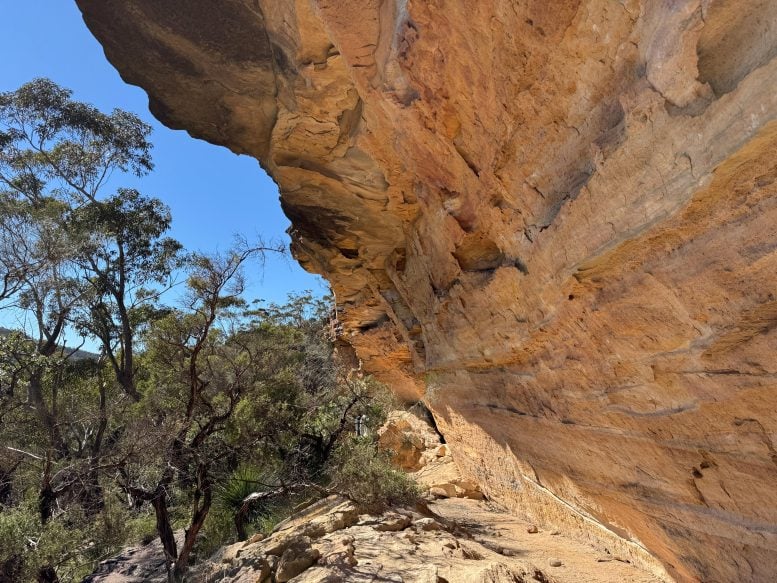
Drones using lasers discover hidden Aboriginal rock art shelters in Australia
scitechdaily.com · 10 Nov 2026

Anooradha Iyer Siddiqi examines refugee camp architecture in Kenya
africasacountry.com · 9 Nov 2026

Ancient gold jewelry discovery rewrites history of early metallurgy
valor.globo.com · 11 Nov 2026