India shifts focus from free food to nutritional security as poverty drops
Headline and summary by local AI
The World Bank reported that extreme poverty in India fell from 27.1 per cent in 2011 to 2.6 per cent in 2023.
The Bank attributed this rapid decline to a combination of economic growth and demographic shifts. While the national GDP growth rate increased from an average of 5.7 per cent to 6.9 per cent between the 1980-81 and 2024-25 periods, population growth simultaneously slowed from 2.1 per cent to 1.2 per cent annually.
This shift allowed per capita GDP growth to rise from 3.5 per cent to 5.6 per cent. In the agricultural sector, per capita growth more than doubled from 1.27 per cent to 2.67 per cent over these periods. Despite these gains, the Labour Bureau noted that real farm wages have stagnated since 2014-15. Because many workers remain in low-productivity agricultural roles, weak farm incomes may limit rural demand for manufactured goods.
The authors argue that India should learn from China's 1978-84 reforms, where raising rural incomes created the demand necessary to trigger a manufacturing revolution. The authors argue that the government should now rationalize the National Food Security Act of 2013, which currently provides free food to 81 crore beneficiaries. They suggest moving toward a model where the poorest citizens receive free food while others pay a partial price.
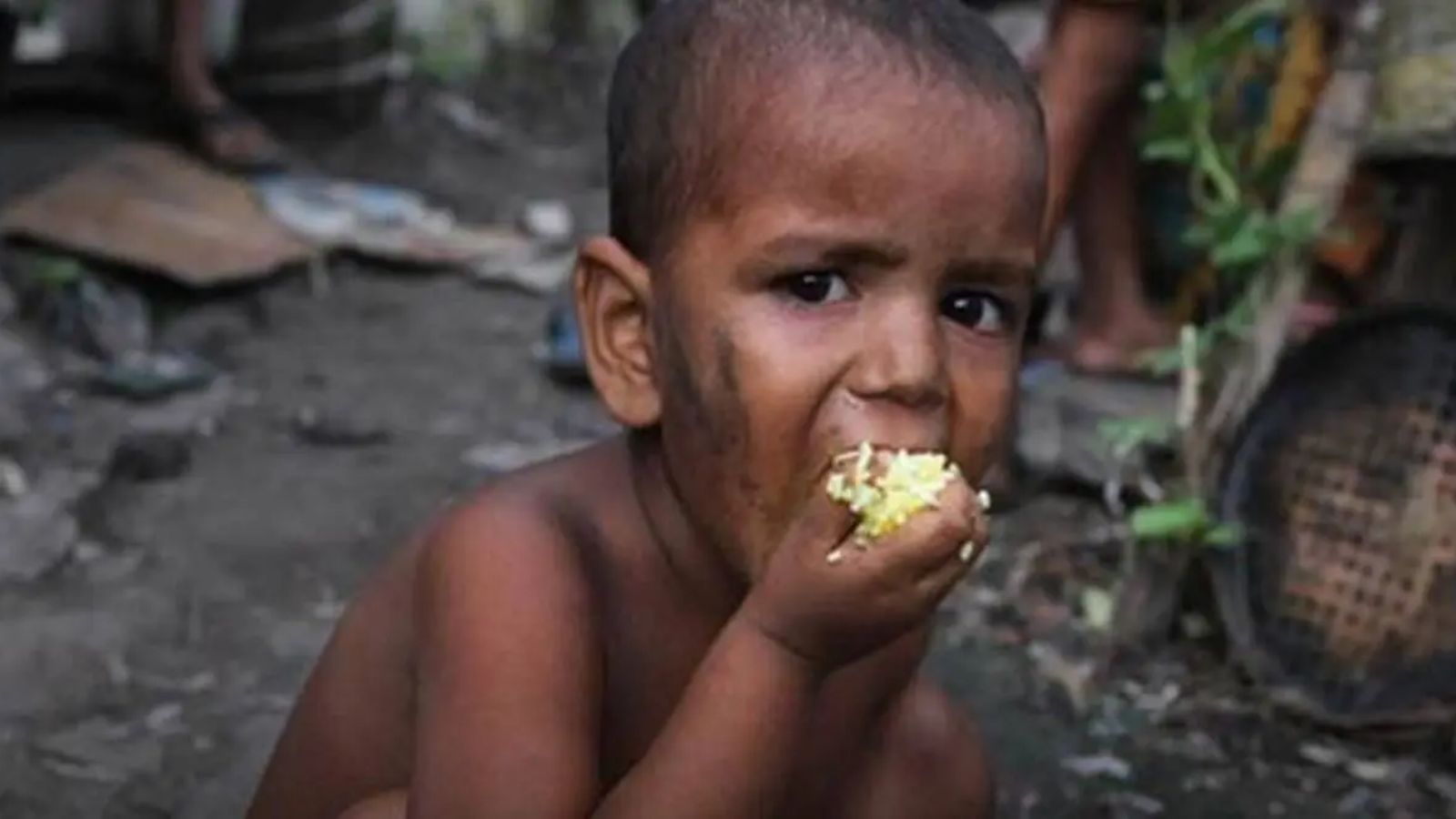
The authors propose replacing bulk wheat and rice distributions with food coupons for healthier items like pulses, milk, and eggs. They also advocate for biofortifying staples with iron and zinc to combat high malnutrition among children under five.
Selected and summarized by local AI How we work