India’s rhino population rebounds with grassland focus
Summary and headline written by AI from the source article. How we work
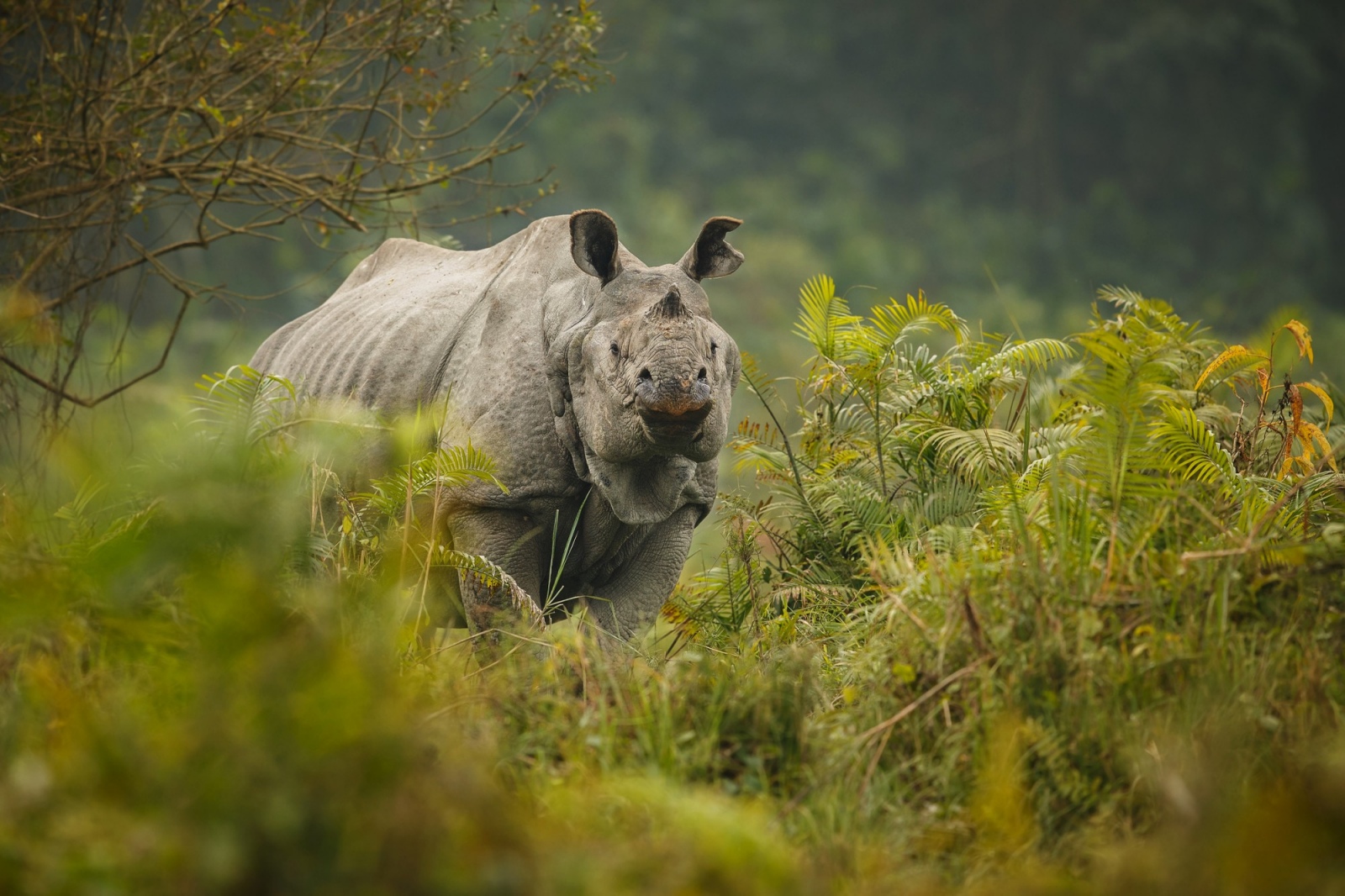
In India, the population of the Greater One-Horned Rhinoceros has risen by almost 170 percent, from around 1,500 animals to over 4,000 as of September 2024, making India a key protector of the species.
The rhinoceros historically lived across northern India, but today its wild population concentrates in Assam, Uttar Pradesh, and West Bengal. Prime Minister Narendra Modi’s government is now working to expand the rhino’s range beyond these areas.
In 2019, the government launched the National Conservation Strategy for the Greater One-Horned Rhinoceros, which aims to strengthen existing populations, reestablish the species in former habitats, maintain genetic diversity, and improve the rhino’s ability to withstand climate change. A new five-year program, beginning in 2026, will receive 77.39 crore rupees to support scientific monitoring, habitat restoration, and translocation efforts in Assam, Arunachal Pradesh, Bihar, Uttar Pradesh, and West Bengal.
This rhino conservation strategy links the animal’s survival to the health of its grassland and wetland ecosystems, which also support other species like swamp deer, wild buffalo, and tigers. Recognizing this connection, the government also allocated 20.86 crore rupees to the Wildlife Institute of India and other organizations to assess Indian grasslands, create a National Grassland Atlas, and guide restoration efforts.
The government is also prioritizing climate resilience in these landscapes, accounting for increased flooding and the need to protect dispersal routes.