Navodaya scholars program expands law school access for rural students
Summary and headline written by AI from the source article. How we work
In 2019, Anoop Maurya and Navodaya Vidyalaya Samiti began the National Law Scholars Programme (NLSP) to help students from rural India enter law school.
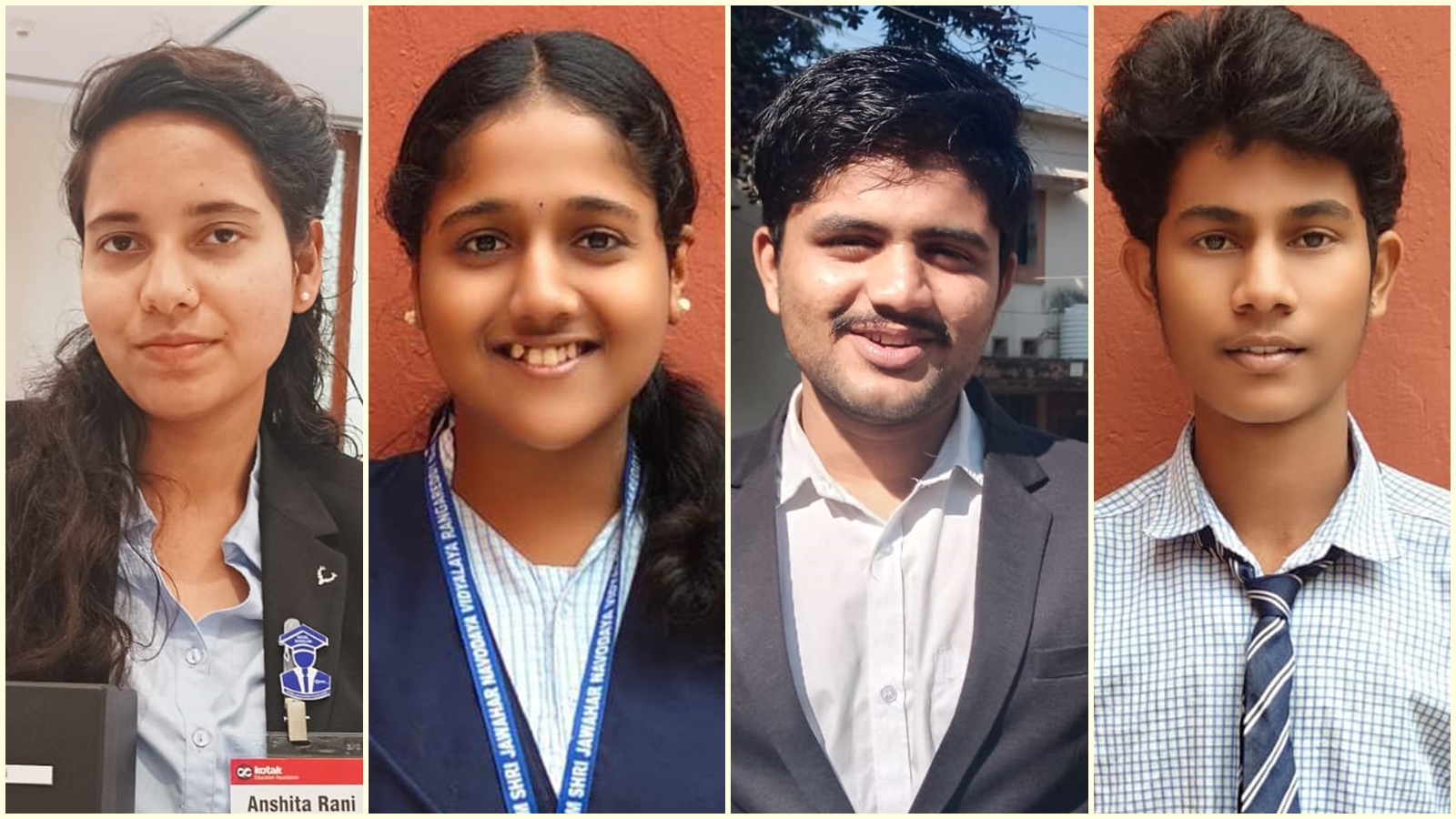
The program identifies promising students at Navodaya schools, boarding schools established to serve rural areas, and provides them with a two-year residential program of coaching and support. Students like Anshita Rani from Uttar Pradesh and Vedant Deshmukh from Maharashtra, who previously lacked resources and exposure, have gained admission to law programs through NLSP.
The program reaches approximately 10,000 students annually, selecting 30 for the intensive residential program in Hyderabad. There, students attend regular school and receive evening coaching, along with workshops focused on leadership and debate. Of the 150 students selected over seven years, 84 are currently pursuing law degrees, with 54 attending National Law Universities. Anoop Maurya founded NLSP because he believes the CLAT entrance exam disadvantages students from less privileged backgrounds.
He points to the exam’s length and reliance on English-language passages as barriers for many applicants. Beyond academic preparation, NLSP also provides financial assistance to cover law school tuition and helps students navigate challenges like building professional networks and securing internships. The program aims to address a gap in representation, ensuring students from underserved communities have a chance to shape legal policy.