Punjab farmers eliminate stubble burning with crop rotation
Summary and headline written by AI from the source article. How we work
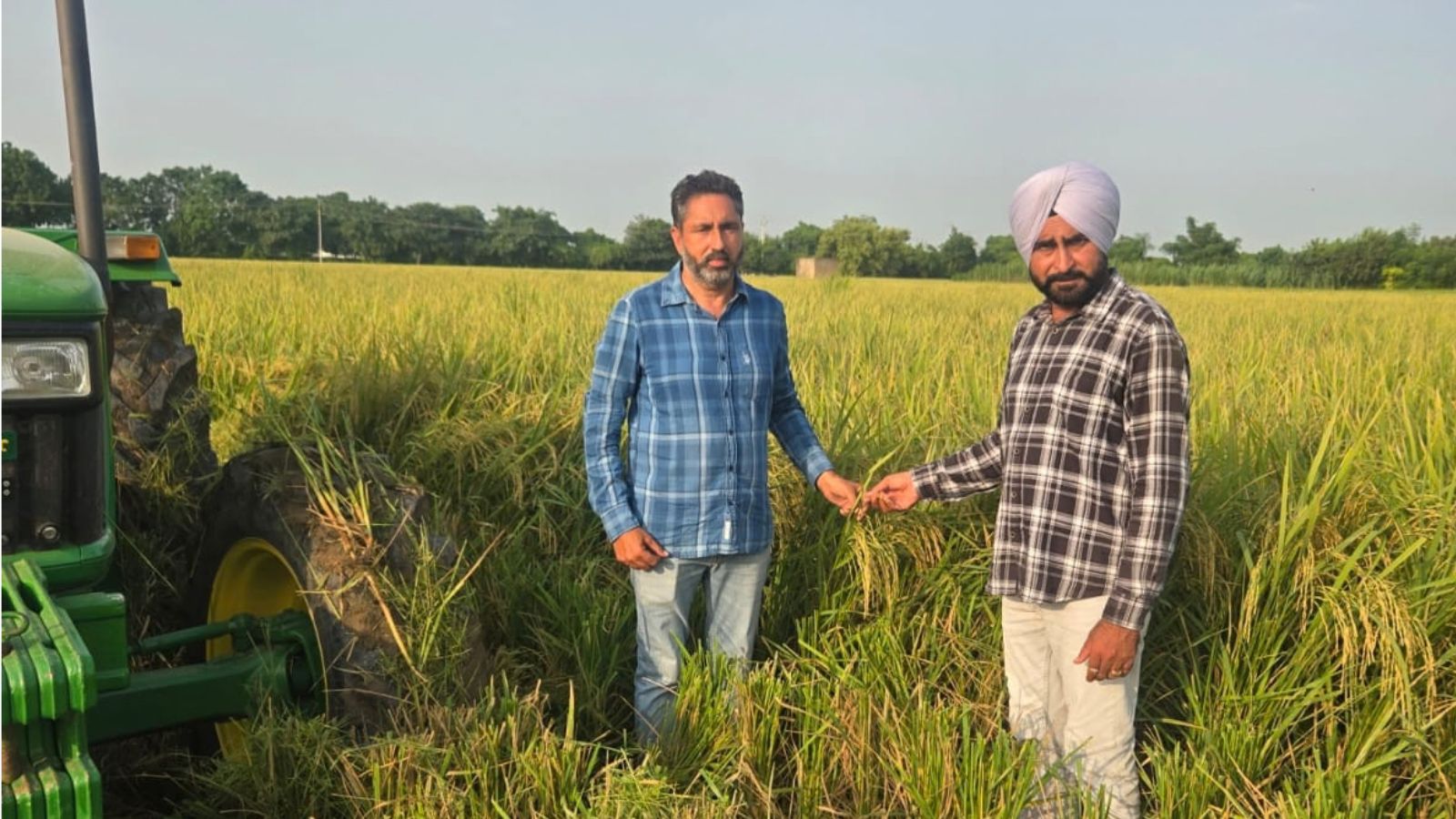
Sukhpal Singh Jawandha and Tarsem Singh Jawandha, brothers farming in Barnala district, Punjab, India, have avoided burning crop residue for six years by growing three crops annually on their 105 acres.
The farmers primarily grow potatoes, supplying produce to companies like Haldiram, alongside wheat, maize, moong, and watermelon. They harvest paddy with combine harvesters fitted with Straw Management Systems, then incorporate the remaining stubble into the soil as mulch before planting potatoes.
The Jawandha brothers initially used bales, but now focus on mulching, which they say increased their potato yield from 250 to 300 bags per acre to 350 bags per acre. They received a subsidized Super Seeder from the government and purchased a MB plough and rotavator to support their practices.
The farmers report an annual savings of approximately Rs 40,000 per acre, totaling Rs 42 lakh after expenses, and believe wider access to subsidized machinery would help other farmers adopt similar methods. Barnala Deputy Commissioner Harpreet Singh praised the brothers’ approach and stated the district administration is mapping available machinery to support residue management.