New Delhi imposes restrictions to combat winter air pollution
Summary and headline written by AI from the source article. How we work
New Delhi, a city of 30 million people in India, began implementing pollution control measures on Thursday as winter approaches.
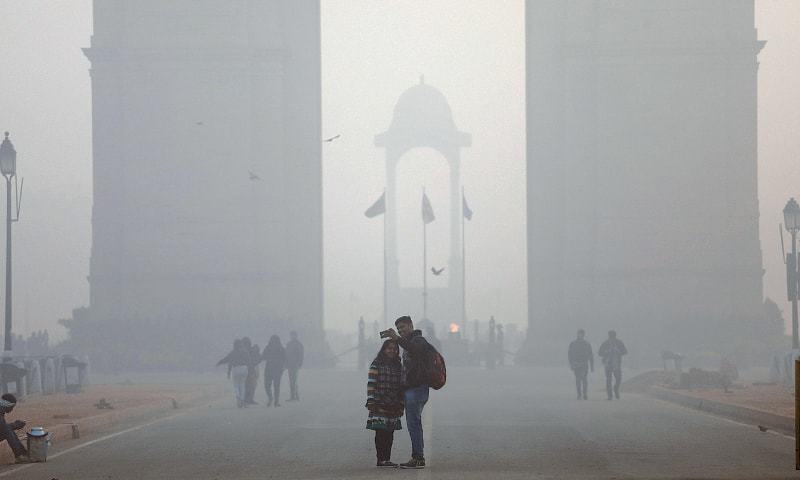
The Delhi government banned open rubbish burning and restricted fuel use by food stalls to address the city’s worsening air quality. Air pollution in New Delhi increases during the winter months due to cooler air trapping pollutants from sources like power plants, traffic, construction, and agricultural burning in surrounding regions.
Previous attempts to control pollution have not fully succeeded, with PM 2.5 levels, microscopic particles linked to cancer, often exceeding safe limits by a large margin. Monitors recently recorded 233 micrograms per cubic metre, 15 times the daily limit recommended by the World Health Organisation. The Commission for Air Quality Management forecasts continued poor air quality in the near future. Starting November 1, the government will increase parking fees and allow government workers to work from home to reduce traffic.
Tighter rules for construction will follow, and a full ban on construction and demolition will be in place from December 10 to January 20. A 2024 study linked 3.8 million deaths in India between 2009 and 2019 to air pollution exceeding national guidelines, and the UN warns that children are especially vulnerable to respiratory infections from polluted air.