Solar energy innovations address energy and water shortages in Pakistan
Headline and summary by local AI
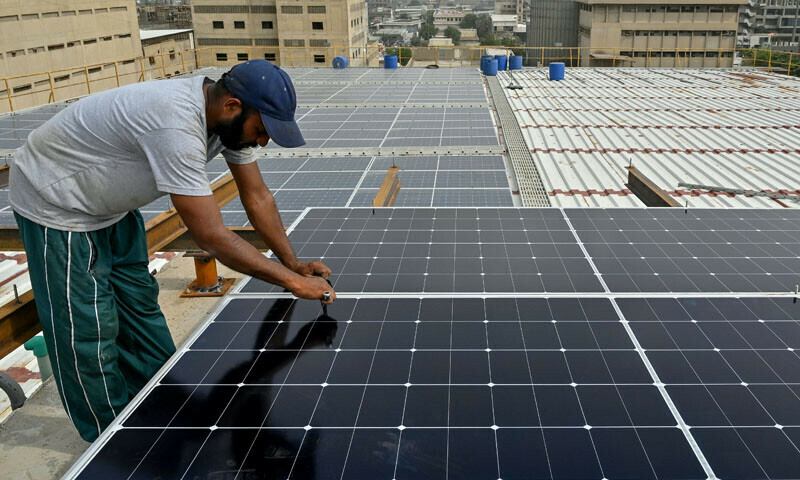
Pakistan residents and businesses are increasingly adopting solar technology to combat frequent power outages and rising energy costs.
Analysis from Renewables First and the Centre for Research on Energy and Clean Air shows that the country increased its solar module imports from less than one gigawatt in 2018 to over 51 gigawatts by early 2026. This shift saved the country more than $12 billion in oil and gas imports by February.
The national power regulator changed the rules in 2026 by moving from net metering to net billing. Under this new system, solar users buy power from the grid at standard retail rates but receive a much lower rate when they sell excess energy back. This change is pushing households and businesses to invest in batteries to store their own generated power instead of selling it to the government.
At the Solar Pakistan Exhibition in Karachi, companies showcased several innovations designed to solve daily problems. Bahum Global PVT introduced electric bikes and plans to build battery swapping stations in partnership with brands like Pakistan State Oil, Shell, and Total. These stations will allow riders to exchange drained batteries for charged ones at a fixed cost, addressing the high price and battery degradation issues of electric vehicles. Other companies presented solutions for cooking and water access.
Mesol Solar developed the Rocket Choolha, a biomass stove that uses recycled wood waste pellets to provide a cheaper cooking alternative to LPG. Additionally, Nippon Energy showcased SkySip, a solar-powered device that extracts moisture from the air to produce drinking water. The device offers models that can produce between 20 and 1,000 litres of water per day for homes, schools, and clinics.
Selected and summarized by local AI How we work
Solutions: Technology, policy and initiatives already in use against a real problem, with results to show.