Guyana introduces digital tracking to protect house lot owners
Summary and headline written by AI from the source article. How we work
The Central Housing and Planning Authority (CH&PA) will launch a new geo-referencing system across Guyana on November 2 to modernize land administration.
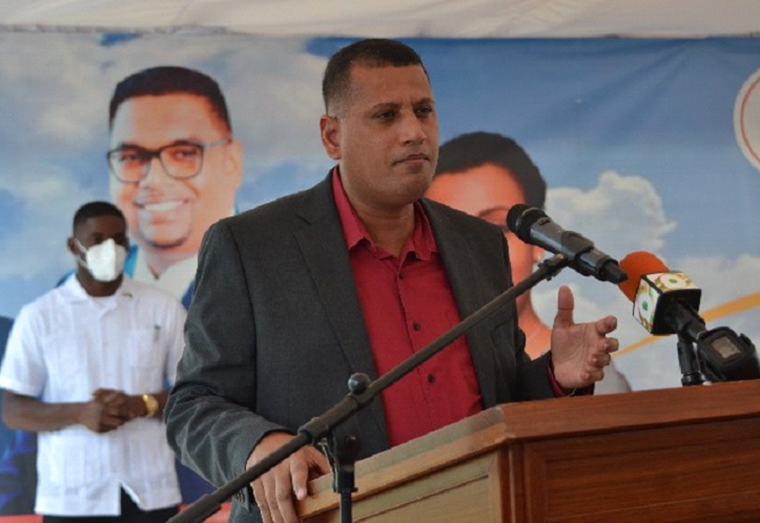
Housing Minister Collin Croal announced the initiative to prevent people from building homes on land allocated to others. The new system aims to increase accountability and protect residents who invest their savings into government-allocated plots. Surveyors will use electronic tablets to capture the exact geographical coordinates of each house lot.
During the identification process, officials will take a photograph of the beneficiary and collect a digital signature to confirm the correct property was shown to them. These records will be stored in a digital registry, and beneficiaries can request copies of their coordinates for future use. The move follows a dispute in Le Ressouvenir, East Coast Demerara, where a woman built a house on a parcel the Housing Ministry claimed was not hers.
Minister Croal stated that surveyors must now physically identify all four boundary markers, known as paals, before a beneficiary accepts a lot. This is especially important for people who wait several years to start construction on their land. The system also helps Guyanese living in places like North America and the United Kingdom who invest in property from abroad.
While the CH&PA has not confirmed if they will offer a secure online verification service yet, the digital records provide a way for overseas owners to verify their investments. The technology does not replace legal titles or transport papers but serves as a record of the specific plot shown to an owner.
How we evaluated this
More in Solutions

Mobile clinics provide free medical exams to elderly residents in Talas
open.kg · 29 Oct 2026

Nationalpark hohe tauern coordinates golden eagle protection in the eastern Alps
kleinezeitung.at · 27 Oct 2026

QMM mining operations drive economic growth in Madagascar's Anôsy region
lexpress.mg · 31 Oct 2026