Costa Rica moves to demolish clandestine airstrips without court rulings

Headline and summary by local AI
The Security and Narcotrafficking Committee in Costa Rica unanimously approved a bill that allows authorities to destroy clandestine airstrips used by criminal groups without waiting for a final court ruling.
The measure, which President Laura Fernández submitted in June as part of a package against organized crime, now moves to the Legislative Assembly for a first-round vote. Under the proposed law, the Civil Aviation Directorate would declare an airstrip or helipad illegal through an administrative resolution.
Owners and tenants would receive a 10-business-day hearing to present evidence before the Public Security Ministry’s Air Surveillance Service can demolish or disable the site. The rules target facilities used for crimes such as drug trafficking, human trafficking, and money laundering. The bill also creates mechanisms to freeze property in the National Registry to prevent sales or mortgages while the measure is active.
It allows for the seizure of machinery and aircraft used to build or operate these strips, which the Costa Rican Drug Institute would then manage. Additionally, the bill increases prison sentences for building these facilities to 5 to 10 years and 10 to 15 years for those who rebuild sites already destroyed by authorities. While some lawmakers praised the bill for targeting the assets of organized crime, others raised concerns about potential conflicts with rules for tourist airparks.
Some legal analysts also noted that landowners might not always know if a strip is operating on their property. The Public Security Ministry previously identified more than 140 unauthorized strips in the country.
Selected and summarized by local AI How we work
More in Solutions

Alternative Dispute Resolution reduces Ghana court backlog by over 41,000 cases
myjoyonline.com · 20 Nov 2026

Greece plans to improve public hospital food quality based on patient feedback
protothema.gr · 20 Nov 2026
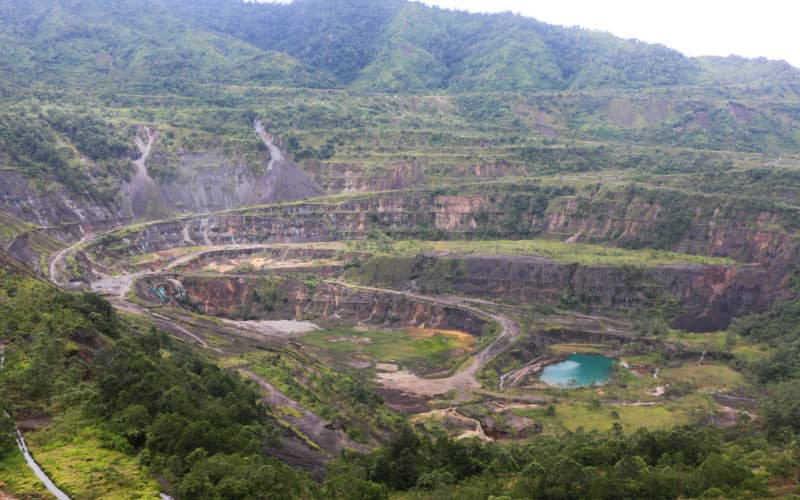
Rio Tinto commits US$250 million to address Panguna mine damage
rnz.co.nz · 18 Nov 2026