Cuba launches projects to protect coastal communities from climate change
Summary and headline written by AI from the source article. How we work
Scientific institutions and environmental authorities in Cuba are launching projects to improve climate resilience for vulnerable coastal communities in the southern part of the country.
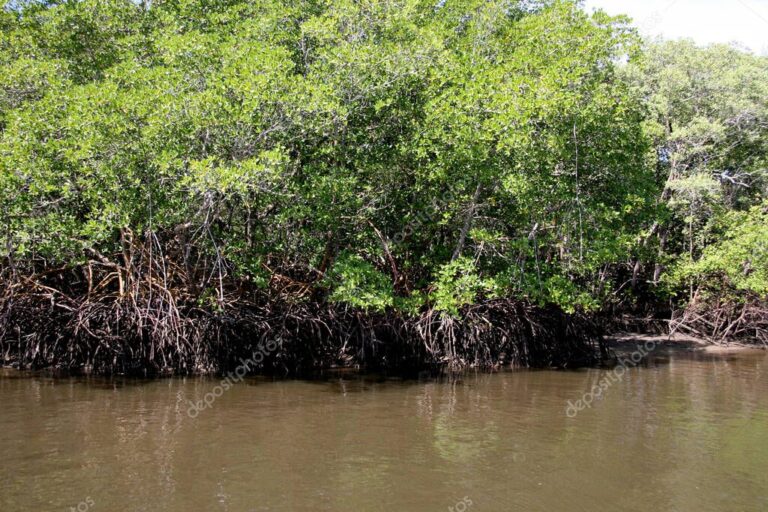
These initiatives focus on studying mangroves, using remote sensing technology, and incorporating human mobility into territorial planning. The Center for Environmental Studies (CEAC) analyzed coastline changes and mangrove variability in the Punta la Iguana area near the Bay of Jagua. Researchers used optical remote sensing and water quality data to assess climate risks.
The study found that while the coastline remained relatively stable between 2016 and 2024, the area faces high risk due to coastal dynamics and ecological vulnerability. The Cienfuegos Botanical Garden also reported on its work identifying and reintroducing threatened plant species. The garden implemented environmental education programs for children in the Junco Viejo community. These efforts aim to conserve ecosystems that support biodiversity and provide a natural defense against climate change.
The Ministry of Science, Technology, and the Environment and the International Organization for Migration (IOM) are preparing a new project to begin in 2027. This project will focus on Playa Cajío and Surgidero de Batabanó, two locations prioritized for their high risk of flooding and sea-level rise. The initiative will use socioeconomic studies and participatory assessments to help local governments and communities develop sustainable responses to environmental crises.
How we evaluated this
More in Solutions

Singapore pre-schools expand digital safety lessons for kindergarteners
straitstimes.com · 24 Oct 2026

Kyrgyzstan relocates pasture users to sary-jaz to revitalize land
open.kg · 1 Nov 2026

CRDB Bank aims to boost Tanzania economy to 1 trillion dollars through agriculture
mwananchi.co.tz · 30 Oct 2026