Guatemala implements regulations to protect native pinabete trees
Headline and summary by local AI
The Guatemalan government regulates the production and sale of pinabete trees to prevent illegal extraction and protect the local ecosystem.
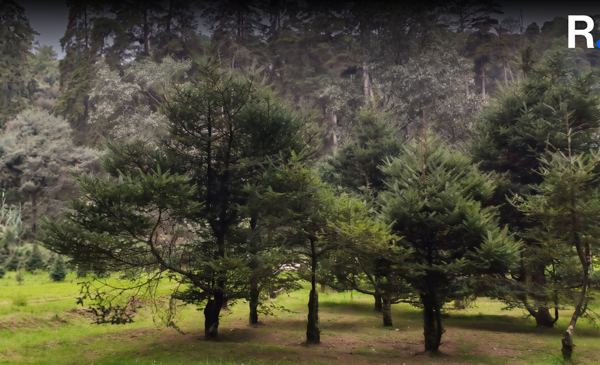
The pinabete, a native conifer species, serves as a central tradition for Christmas celebrations in Guatemala. Families use the tree and its branches to create decorations, crowns, and garlands. However, high demand during the holiday season often leads to illegal logging, which threatens the reproduction of the species.
Because the tree produces seeds between November and January, removing branches containing cones prevents these seeds from maturing, which compromises the natural regeneration of the forests. To address these threats, the Consejo Nacional de Áreas Protegidas (CONAP) and the Instituto Nacional de Bosques (INAB) established the National Strategy for the Conservation of Pinabete in 1999. This initiative works alongside Government Agreement 198-2014, which sets rules for managing plantations and seed production areas.
These regulations oversee how producers register their nurseries, transport trees, and sell products to ensure that only sustainable sources are used. Authorized producers in western departments, such as Huehuetenango and Quetzaltenango, generate income by selling trees and processed decorations. To distinguish legal products from illegal ones, the government requires a specific tag, or marchamo, on every item. Natural trees must carry a white tag with an official seal, while crowns and garlands must have a black tag.
People who engage in illegal extraction or sales face prison sentences of five to ten years and fines ranging from GTQ 10,000 to GTQ 20,000.
Selected and summarized by local AI How we work
Belonging: Community bonds, rootedness, and living cultural practices and heritage.