Personal stories connect private memories to universal experiences
Headline and summary by local AI
A columnist in Guatemala reflects on why he has spent recent months writing about his family and personal circle in his newspaper columns.
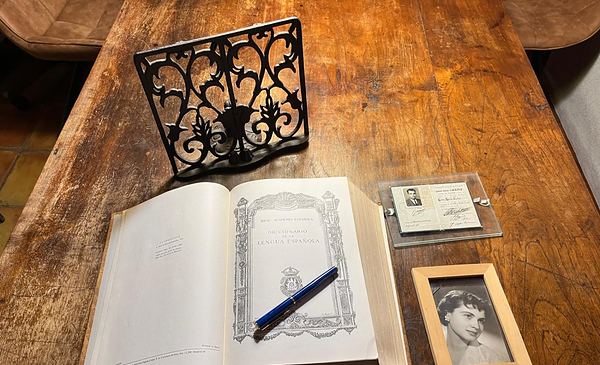
The author explains that while his personal stories might seem trivial to strangers, they serve as a bridge to the reader's own lives. He argues that writing about his parents, his brother Fernando, a caregiver named Teresa, and a friend named Ramón is not intended to make readers feel affection for these specific people.
Instead, he wants readers to see reflections of their own parents, siblings, or caregivers in his descriptions. He believes that small, everyday stories explain who people are more effectively than grand historical narratives. The writer also admits to a more personal motivation for these columns. Having lived abroad and focused his career on international relations, politics, and history, he felt it was time to apply that same curiosity to his own past.
He notes that family memory is fragile because it lacks the archives or institutions that protect national history. Without active effort to record these memories, the joys and difficulties of ordinary families disappear when the participants pass away. The process of writing has helped the author organize his memories and distinguish between what actually happened and the versions of events he constructed over time.
He credits a former colleague for suggesting he write in the first person and notes that writing has served as a way to find clarity and distance during a difficult period in Guatemala. He plans to continue covering international topics like Europe and politics, asserting that large historical narratives are ultimately built from these small, personal stories.
Selected and summarized by local AI How we work
Belonging: Community bonds, rootedness, and living cultural practices and heritage.