Miami-Dade County approves new regulations for delivery robots
Headline and summary by local AI
The Miami-Dade County Commission voted to approve an ordinance regulating sidewalk delivery robots in Miami, Florida.
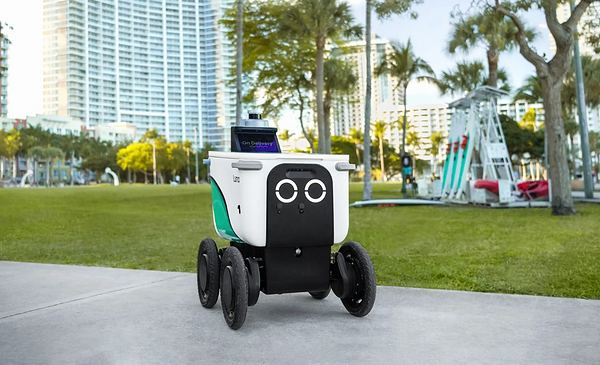
The measure, pushed by Commissioner Micky Steinberg, aims to manage the growing presence of autonomous robots from companies like Serve Robotics and Starship in neighborhoods such as Brickell and Wynwood. The new rules set specific speed limits for the robots, including 8 mph on general sidewalks, 6 mph in high-pedestrian areas, and 10 mph at intersections where robots must come to a complete stop.
Pedestrians hold absolute priority. The ordinance also prohibits robots from remaining stationary for more than 30 minutes unless making an active delivery, and forbids them from blocking bus stops, ramps, or hydrants. Robots are also banned from school zones during speed limit hours. Operators must now obtain annual permits, identify every robot, maintain 24-hour contact, and carry at least 100,000 USD in insurance. Violations can result in fines up to 500 USD.
While the county estimates it will spend 251,000 USD annually on inspectors and staff, officials note that permit and fine fees might not cover these costs. These regulations arrive as autonomous vehicles from Waymo and Tesla Robotaxi already provide driverless rides in Miami and other Florida cities like Orlando and Tampa. While the technology attracts investment, there is currently no public data on how many traditional delivery or taxi jobs are being displaced by these autonomous systems.
Selected and summarized by local AI How we work
Solutions: Technology, policy and initiatives already in use against a real problem, with results to show.