Parents seek to preserve indigenous languages for children in the United States
Headline and summary by local AI
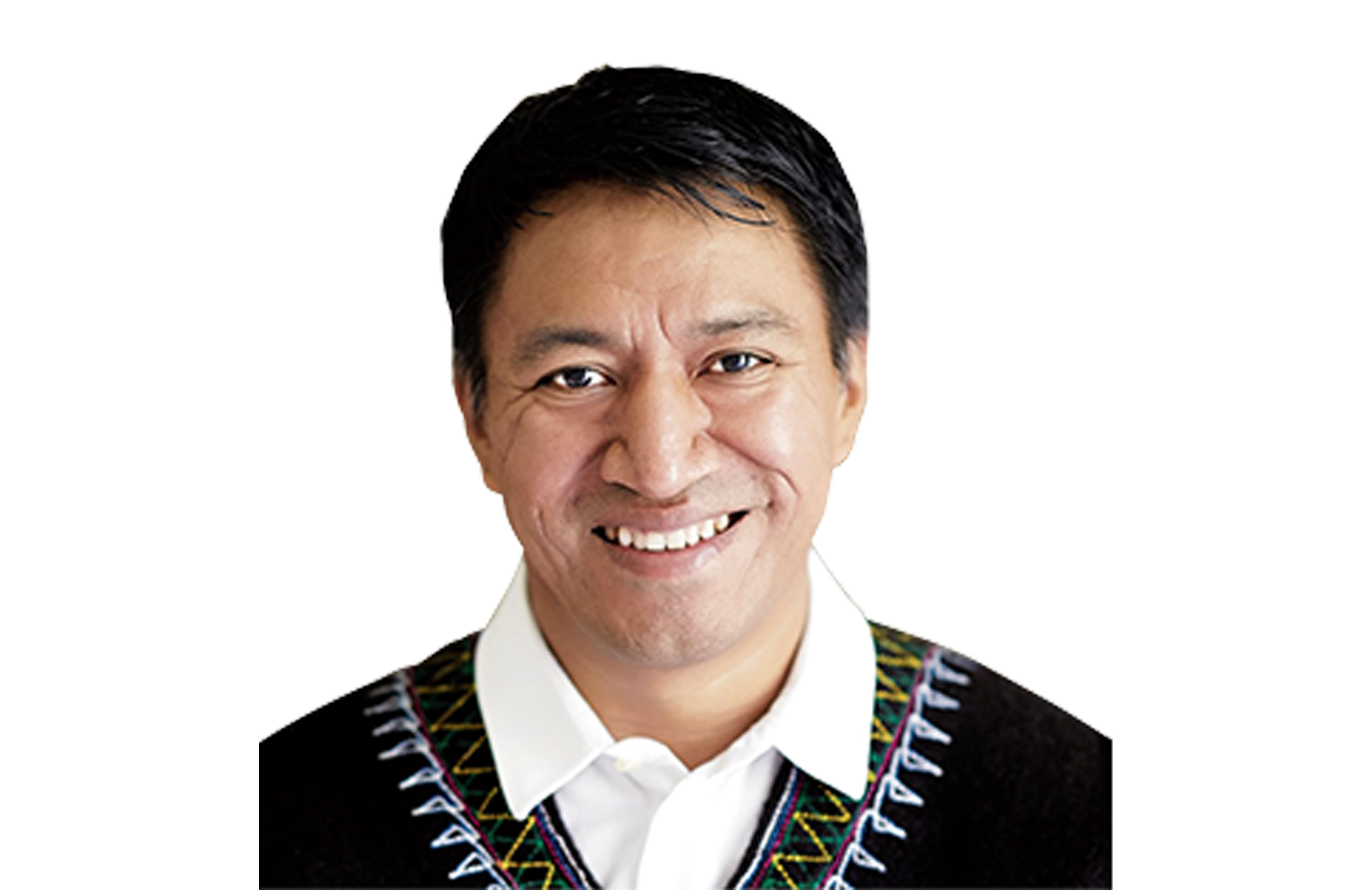
Marcos Andrés Antil argues that parents of indigenous children in the United States must actively teach their native languages to prevent a break in ancestral heritage.
Antil describes the struggle of raising children in a multilingual environment where the q’anjob’al language, a Mayan language from Guatemala, faces competition from English, Spanish, Russian, and French.
He expresses concern that his children might lose the ability to speak the language of their grandparents, which he views as a vital link to their identity and traditional wisdom. The author advocates for consistent practice at home, especially during early childhood. He notes that while schools introduce new languages, parents must maintain discipline by speaking their native tongue to children even when the children find it easier to respond in a different language.
He shares the experience of his daughter, Yanushka Lucía, who began speaking q’anjob’al more fluently after attending a school in Santa Eulalia that taught in both q’anjob’al and Spanish. Antil addresses the pressure to prioritize English for economic opportunities. He argues that learning multiple languages, including one's own native tongue, allows children to explore other cultures while remaining rooted in their own.
He believes that keeping the ancestral language alive ensures that children can still understand the stories and songs of their elders.
Selected and summarized by local AI How we work
Belonging: Community bonds, rootedness, and living cultural practices and heritage.