Latinos in the United States experience Thanksgiving in diverse ways
Headline and summary by local AI
Latino residents in the United States observe the Thanksgiving holiday through various personal lenses, ranging from full community celebrations to complete non-participation.
While the holiday is a federal event in the United States centered on gratitude and family gatherings, it does not hold official status in Latin American countries. Some residents adopt the tradition to build community bonds. Karla de Anda, a Guatemalan woman in Texas, prepares meals and decorates tables with friends to share a dinner.
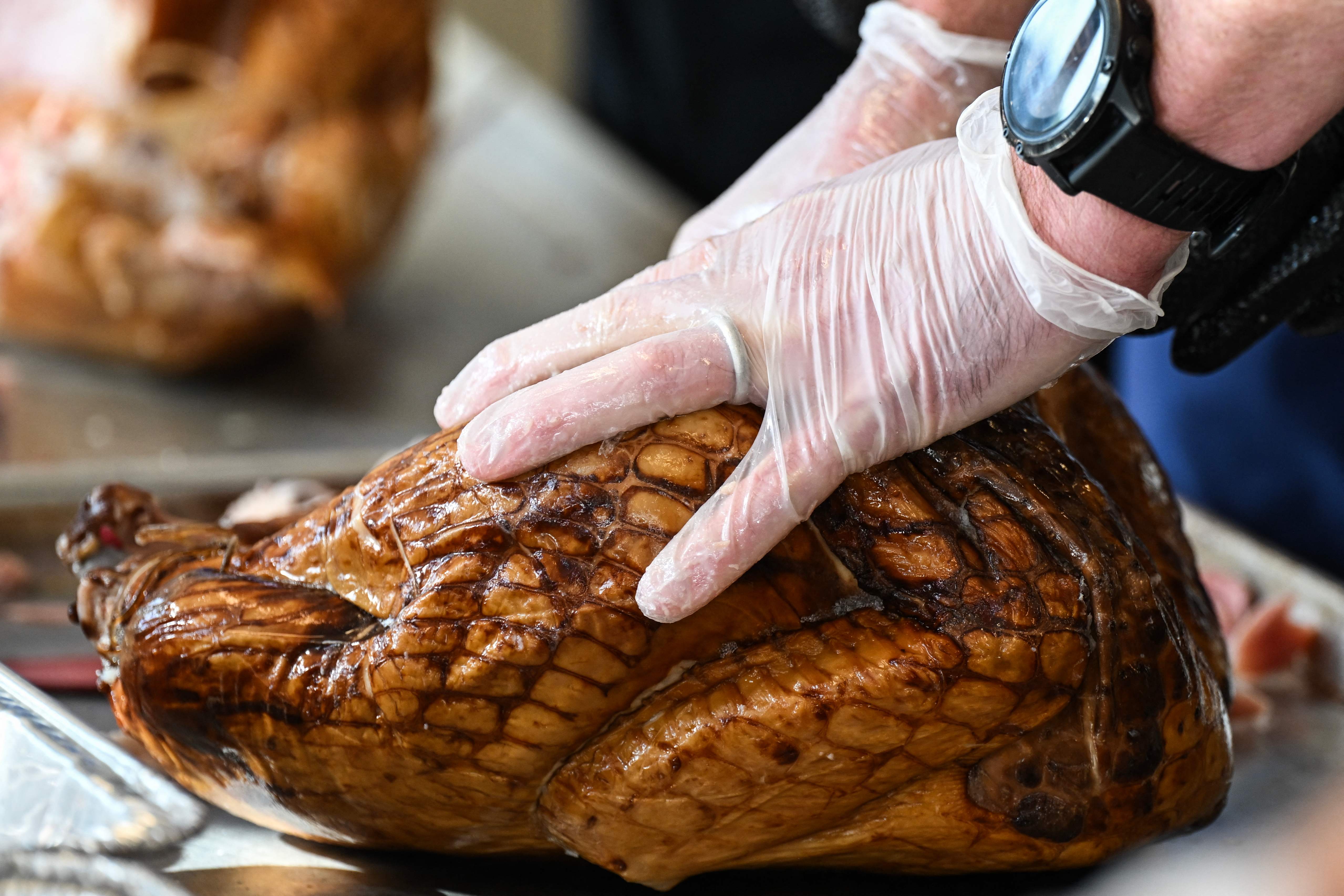
She noted that her first Thanksgiving in the country was particularly meaningful because her friends had recently arrived and were without their families. Similarly, Alfonso Soto, a Mexican man in New York, uses the day to gather with friends for roasted turkey, which he views as an affordable main dish for the holiday. Other residents do not participate in the holiday due to work commitments or a lack of cultural connection to the event.
Betty Martínez, a Salvadoran woman in Florida, stated that she does not celebrate the day because she does not feel part of the tradition after living in the country for over 20 years. She expressed more interest in Black Friday, the shopping day that follows the holiday. The historical roots of Thanksgiving involve English colonists sharing a meal with the Wampanoag people in Massachusetts and Rhode Island.
Because of this history, some people view the holiday as a reminder of the colonization process and its impact on indigenous communities.
Selected and summarized by local AI How we work
Belonging: Community bonds, rootedness, and living cultural practices and heritage.