Ancient tomb reveals social mobility in Egypt
Summary and headline written by AI from the source article. How we work
A joint Spanish and Egyptian archaeological team uncovered a previously unknown 4,300-year-old tomb in Saqqara, a necropolis southwest of Cairo, Egypt.
The tomb, a mastaba or rectangular tomb structure, dates back to the late Fifth Dynasty of the Old Kingdom (2494 to 2345 B.C.). What sets this tomb apart is its unique design featuring two chapels intended for two generations of one family: Yunmen, a high-ranking judicial and administrative official, and his father, Iti, a lower-ranking provincial scribe.
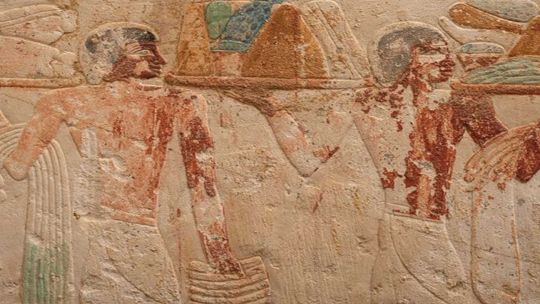
Researchers believe the tomb’s layout suggests social mobility during the Fifth Dynasty, as Yunmen rose from a provincial background to a central administrative position in the capital, Memphis. He then chose to include his father in the same prestigious burial complex. The structure contains finely carved reliefs depicting scenes of daily life, including farmers working and people carrying offerings, and some of the original paint remains visible after more than 4,000 years.
The team excavated the tomb within the Mariette Cemetery, a section identified in the 19th century but not fully explored until now. Josep Cervelló, the Spanish egiptologist leading the excavation, emphasized the importance of understanding Saqqara not only as a burial ground but as a place where people lived and worked, focusing on the urban layout of the cemetery itself. Archaeologists have also identified indications of two additional mastabas nearby and plan to excavate them in future campaigns.


