Psychoanalyst Enrique Prego analyzes melancholy and modern discontent
Headline and summary by local AI
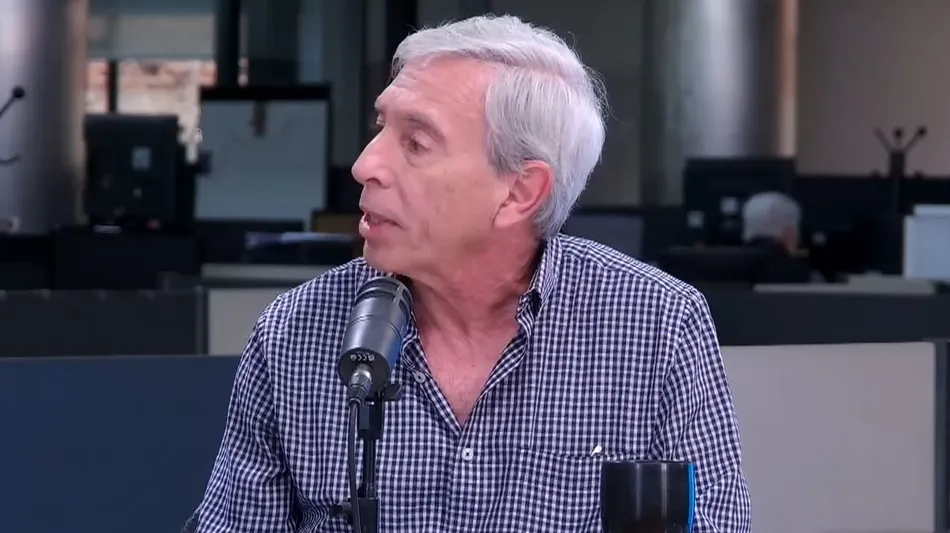
Psychoanalyst Enrique Prego presented his book, Melancolía. Una pasión del ser en la era del consumo ilimitado, during a discussion on the Ronda de Escritores.
In the work, Prego explores melancholy as both an individual clinical condition and a widespread social phenomenon. He argues that this collective malaise stems from the historical alliance between science and capital during the modern era. Prego connects the history of melancholy to ancient thought, referencing Aristotle's Problem 30.
He explains how the condition was historically linked to the theory of humors, where a balance of bodily fluids was associated with a sense of transcendence. The author contrasts this historical view with the modern "generalized melancholy" that characterizes contemporary culture and society. The book also examines how historical figures transformed personal suffering into creative output. Prego analyzes philosopher Søren Kierkegaard, suggesting that Kierkegaard used writing to navigate a sense of existential void and the loss of symbolic references.
Similarly, Prego discusses writer Jean Genet, noting how Genet used literature and political activism to respond to marginalization. Prego observes that Genet found a sense of order and a way to begin his literary production while imprisoned.
Selected and summarized by local AI How we work