Wolf reintroduction boosts quaking aspen growth in Yellowstone National Park
Headline and summary by local AI
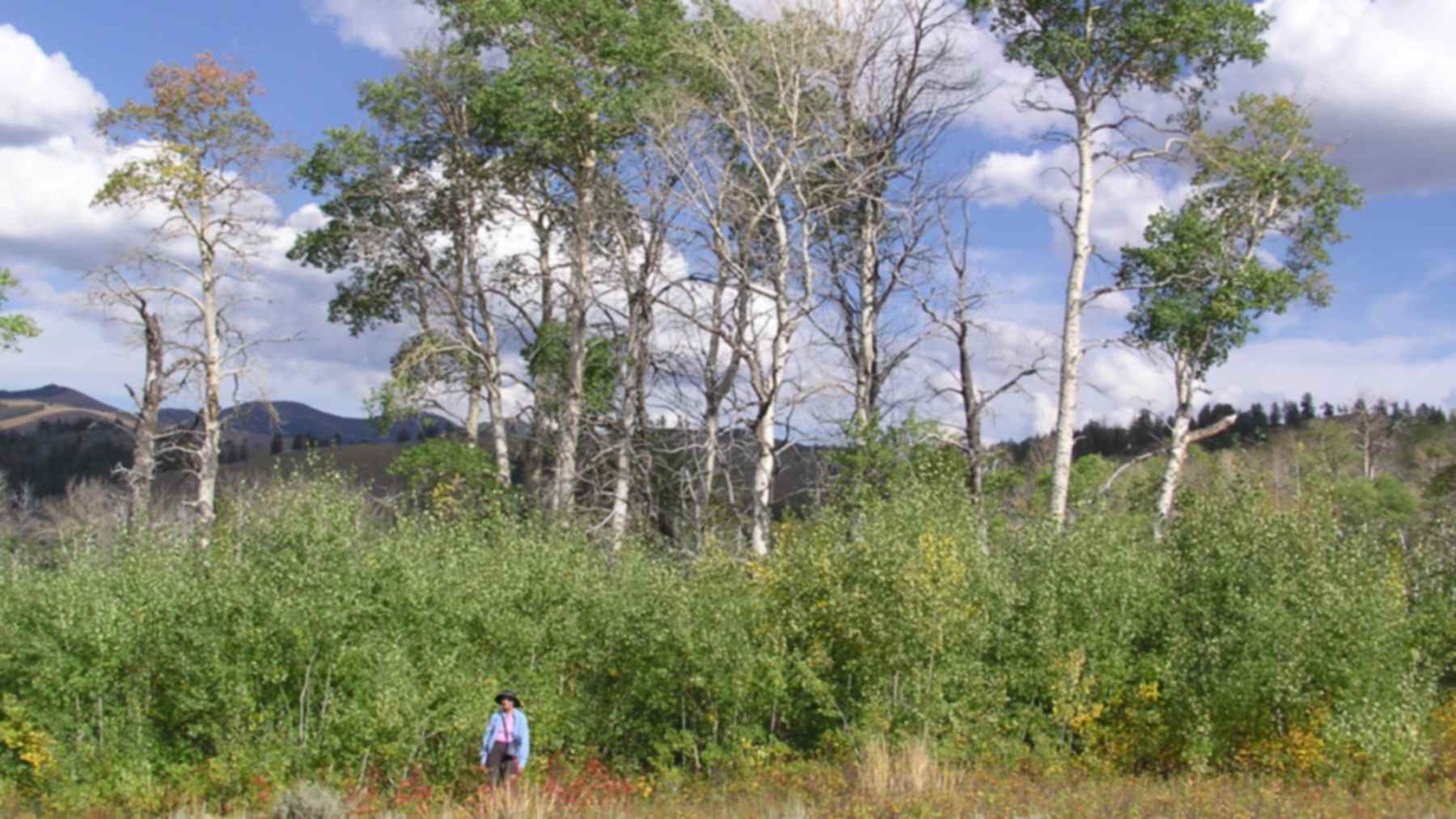
Researchers at Oregon State University found that quaking aspen trees are recovering in the northern part of Yellowstone National Park, a United States park, following the reintroduction of wolves in 1995.
The study shows that young aspen trees with diameters of 5 to 10 centimeters appeared in 43% of studied stands during visits in 2020 and 2021. This level of growth had not been observed since the 1940s.
In 1998, the researchers noted that no young aspen tree in the area exceeded a height of two meters. Luke Painter, the lead researcher, explains that the return of wolves and other large predators like bears and cougars reduced the number of wapiti, which are large North American deer. When humans removed wolves around 1930, the wapiti population grew unchecked and consumed aspen shoots before they could mature.
Since the wolves returned, the wapiti population dropped from 17,000 in 1995 to 6,673 in 2022, allowing the trees to grow. Dan MacNulty of Utah State University reviewed the original data and corrected the reported growth rate from a 152-fold increase to a 17.5-fold increase in young aspen density. While the growth is uneven, with 30% of stands showing robust growth, the researchers view this as evidence of a trophic cascade where predators influence the entire ecological structure.
However, the long-term survival of these trees remains uncertain because animals still eat them until they reach 2.5 meters in height, and a recent disease affecting the wolf population could change future ecosystem dynamics.
Selected and summarized by local AI How we work
Recovery: Ecosystems recovering, species returning, nature thriving or newly found, and protection already in force.