A Brazilian reserve restores one million trees to recover the Atlantic Forest

Headline and summary by local AI
Nicholas and Raquel Locke launched the Reserva Ecológica de Guapiaçu (REGUA) in 2001 to transform degraded cattle pasture into a biodiversity refuge in the state of Rio de Janeiro, Brazil.
The project aimed to restore the native Mata Atlántica forest and reconnect isolated forest fragments to support local flora and fauna. The founders established a nursery to grow native tree species, which they then planted across areas previously used for livestock.
This effort resulted in over 710 hectares of restored land. Beyond reforestation, the project restored wetlands, watercourses, and biological corridors to allow animals to move between different forest sections and facilitate genetic exchange among wild populations. These activities also created jobs for local workers in nursery management, planting, and environmental education. The restoration efforts enabled the return of the South American tapir to Rio de Janeiro, a species that had not been recorded in the state since 1914.
Through the Proyecto Refauna, which began in 2017, scientists and conservationists moved and released tapirs into the reserve under supervised adaptation. The project successfully produced wild-born offspring, confirming that the animals are reproducing in the restored environment. REGUA added another pair of tapirs in 2025 to strengthen the recovery program.
Selected and summarized by local AI How we work
Recovery: Ecosystems recovering, species returning, nature thriving or newly found, and protection already in force.
More in Recovery
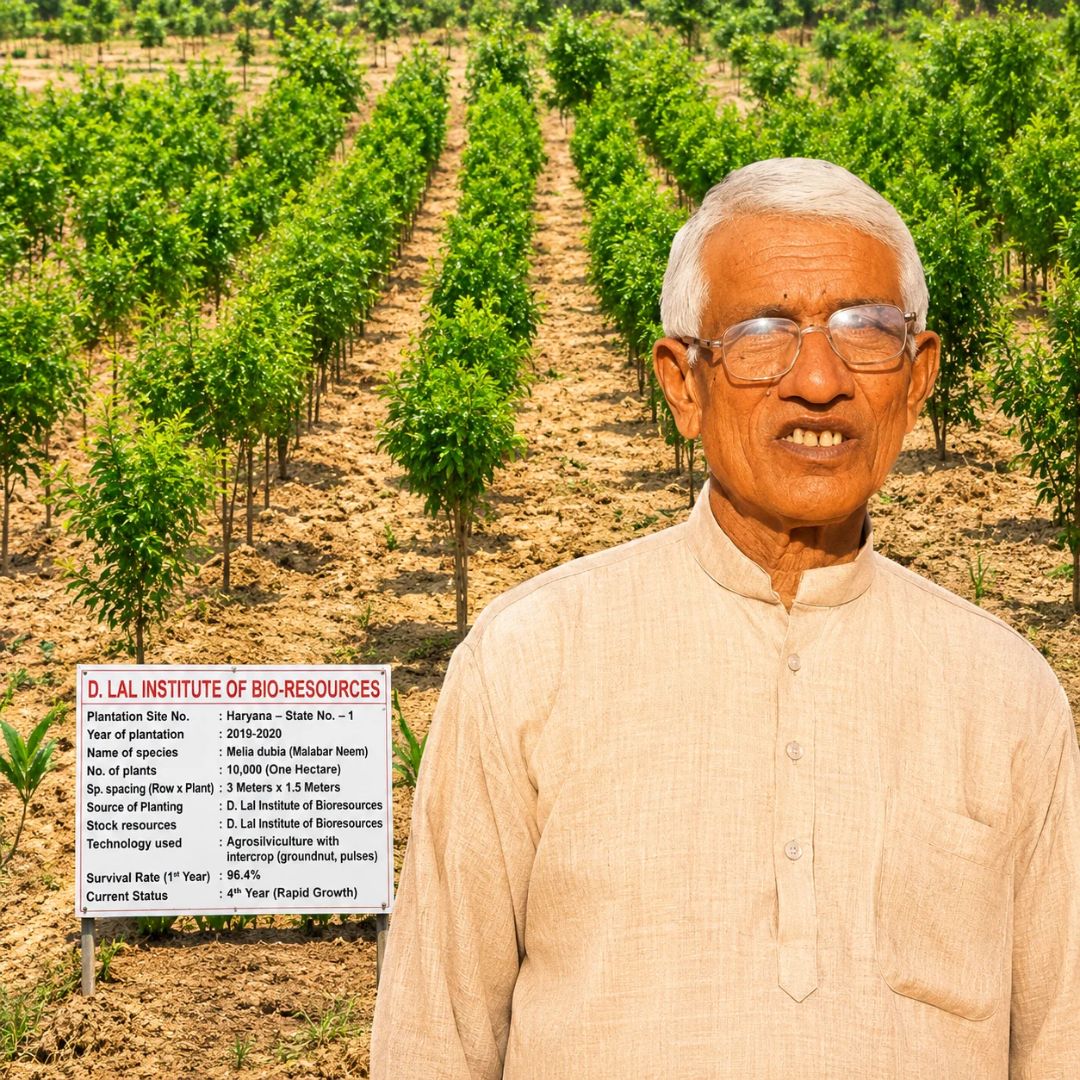
Farmer Sundaram Verma plants 60,000 trees in water-scarce Rajasthan
thelogicalindian.com · 16 Nov 2026

Foresters in Tajikistan plant trees to combat drought and drying springs
asiaplus.news · 19 Nov 2026
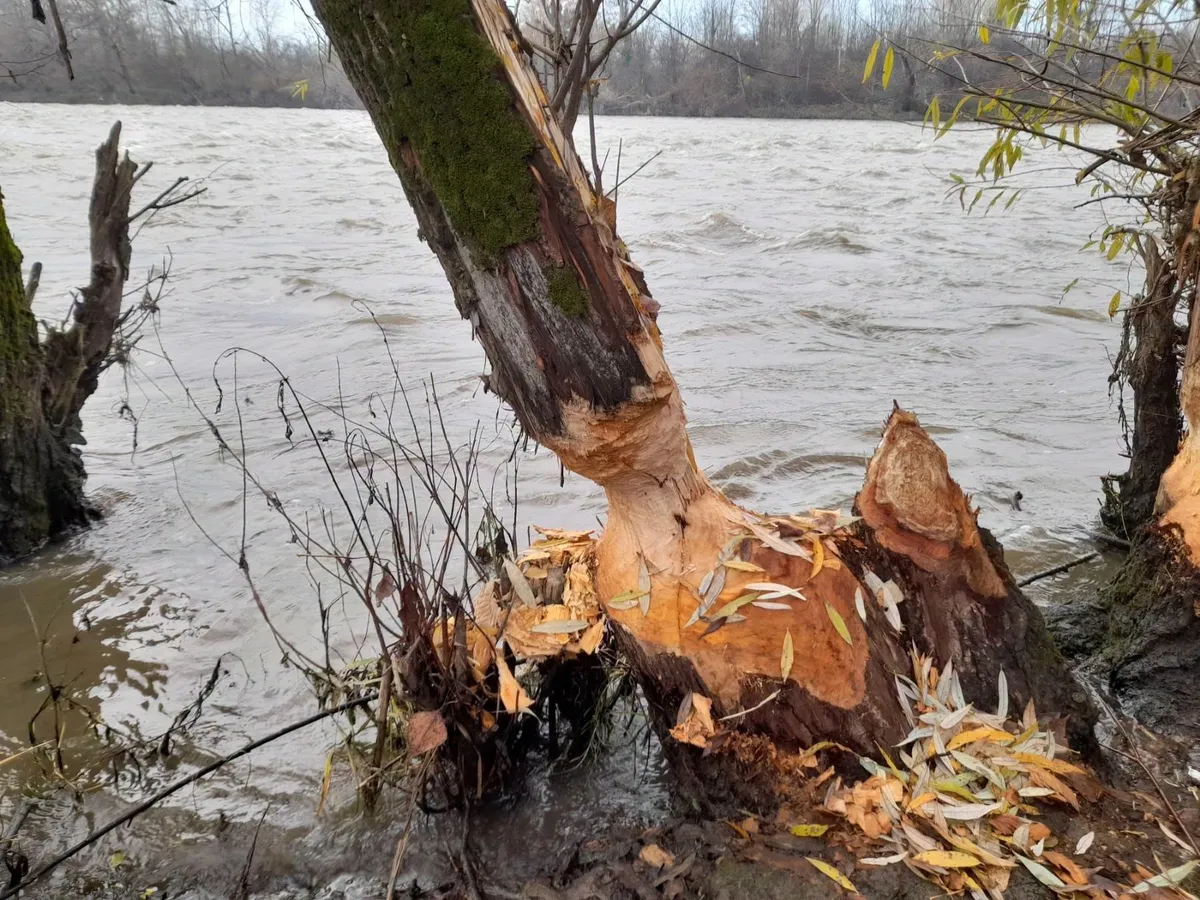
Beavers return to the Bosna river in Bosnia and Herzegovina after two decades
n1info.ba · 16 Nov 2026