El Niño rainfall transforms Atacama Desert into a sea of flowers

Headline and summary by local AI
Winter rains influenced by the El Niño climate pattern have triggered a massive bloom of over 200 wild flower species across 17,000 square kilometers of the Atacama Desert in northern Chile.
The Corporación Nacional Forestal de Chile (CONAF) says the floral event covers approximately 23 percent of the region. This represents one of the most significant flowering events in the area since 1997.
Local flora, including species such as the garra de león, añañuca, and pata de guanaco, emerge from seeds and bulbs that remain dormant during dry periods to take advantage of the moisture. While the bloom creates a visual spectacle of fuchsia colors against the reddish soil, the extreme rainfall has also caused harm to local residents. Heavy rains led to floods and mudslides in northern Chile, damaging infrastructure and affecting homes.
The town of Vallenar recorded up to 183.5 millimeters of rain, a sharp increase from the usual annual average of 2 millimeters without El Niño. To protect the biodiversity of this area, the government established the Parque Nacional Desierto Florido in June 2023. This park protects 57,100 hectares of the ecosystem near Copiapó to support scientific research and regulated tourism. Most of the flowers will begin to disappear in November, though some hardy varieties might remain until January.
Selected and summarized by local AI How we work
Recovery: Ecosystems recovering, species returning, nature thriving or newly found, and protection already in force.
More in Recovery

Nevada rancher secures permanent conservation for 1,228 acres of ranchland
timesofindia.indiatimes.com · 15 Nov 2026
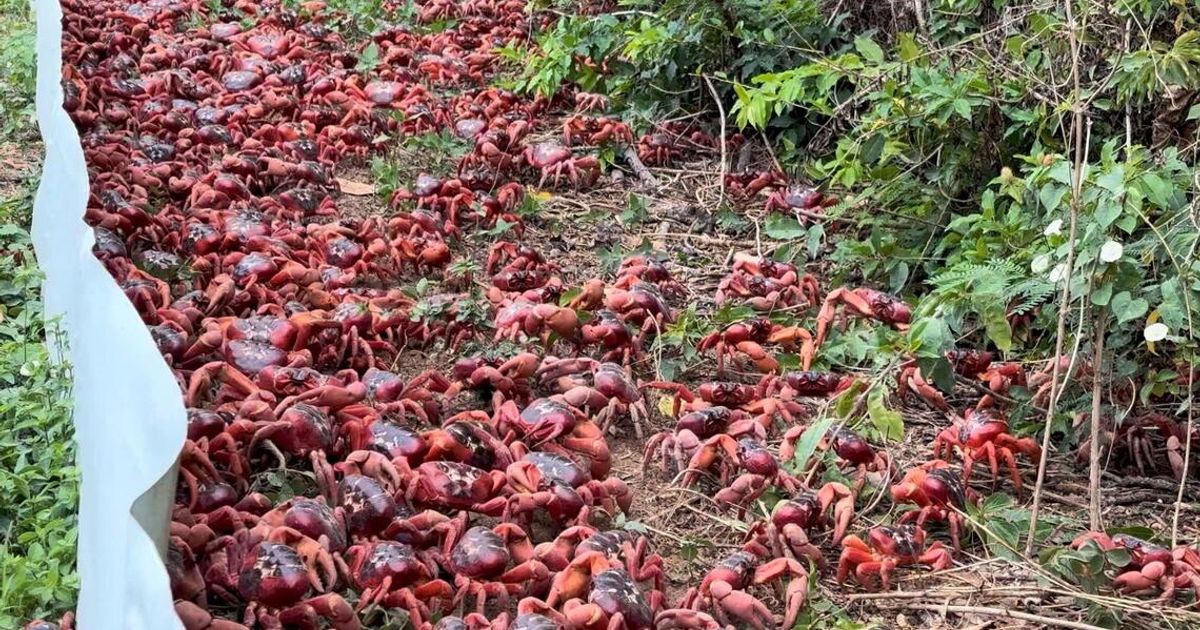
Red crab population doubles on Christmas Island following ant control
straitstimes.com · 19 Nov 2026

Smooth coated otters return to Kuala Lumpur river as water quality improves
news.mongabay.com · 23 Nov 2026