Archaeologists find colonial remains at ancient Inca site in Argentina

Headline and summary by local AI
Archaeologists from CONICET, UNLP, Universidad Nacional de Catamarca, and Fundación Azara discovered colonial era remains at El Shincal de Quimivil in Belén, Catamarca.
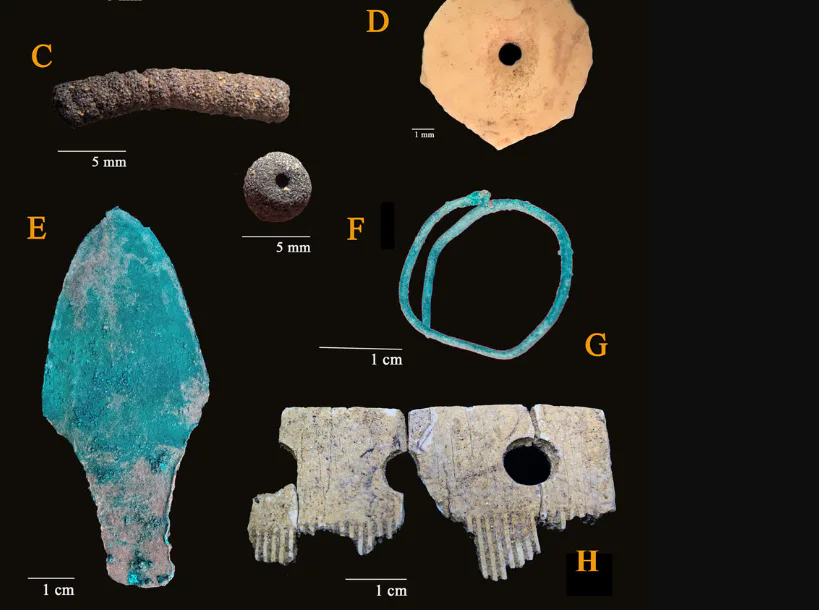
The team conducted excavations from 17 to 20 November to study the site, which served as an administrative center for the Collasuyu, a region of the Inca Empire, between 1470 and 1536. The researchers found ceramic pieces, animal bones, and a metal object under the original structures.
The team identified caspinchango and criolla ceramics alongside bones from cattle or horses, which Europeans introduced to the region. These finds suggest the site had two distinct periods of use, including a time after the Spanish arrival. The researchers believe explorers from Chile may have occupied the site for nearly a century with Juan Pérez de Zurita, during which they modified the original Inca buildings.
The expedition also uncovered polished stone pieces that might have functioned as tokens for weighing coca leaves. Experts must still catalog the items and analyze their chemical composition to confirm their origins and exact use. These findings help researchers understand how cultural interactions and changes occurred between the Inca period and the colonial era.
Selected and summarized by local AI How we work
Discovery: Archaeology, new knowledge of art, culture and history, forgotten history uncovered, something lost restored.