Native tree regeneration surges 5000 percent after rat eradication
Headline and summary by local AI
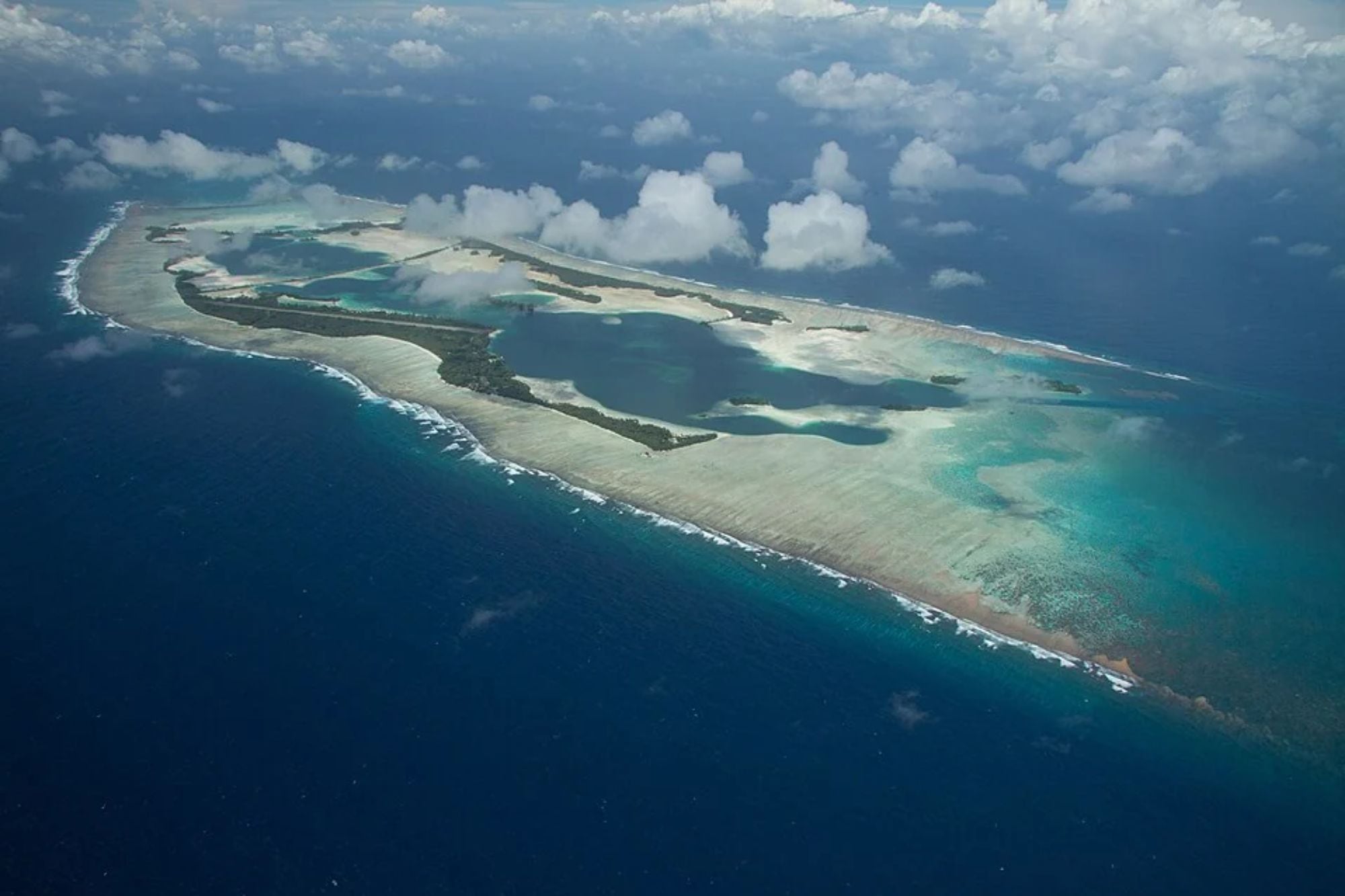
Scientists and conservation specialists removed approximately 40,000 invasive rats from Palmyra Atoll, a coral reef system in the Pacific Ocean south of Hawaii.
The rodents arrived in the 20th century via ships and multiplied rapidly because they lacked natural predators. These rats damaged the ecosystem by eating seeds, young plants, bird eggs, and small animals, which prevented the natural growth of local vegetation.
A team of experts launched the eradication project in 2011 to restore the environmental balance of the atoll. After removing the rats, researchers monitored the changes in the local flora and fauna. Data published in the journal PLOS ONE and shared by the University of California in Santa Cruz showed that the removal of the rodents allowed the environment to recover without the need for large-scale reforestation efforts.
The study found that five years after the intervention, the number of new specimens of five native tree species increased by about 5000 percent. Researchers also observed that the Asian tiger mosquito disappeared from the area because the insects relied on the rats as a primary source of blood for reproduction. Other mosquito species remained in the territory. The project demonstrates that removing specific threats can trigger widespread ecological recovery across different components of an ecosystem.
Selected and summarized by local AI How we work
More in Recovery

Uganda launches taskforce to increase large carnivore populations by 30 percent
allafrica.com · 19 Nov 2026

Cheetah population grows in India as Botswana female gives birth in the wild
conexaoplaneta.com.br · 24 Nov 2026

New Zealand marine ecologists show restoration of kelp forests is possible
newsroom.co.nz · 15 Nov 2026