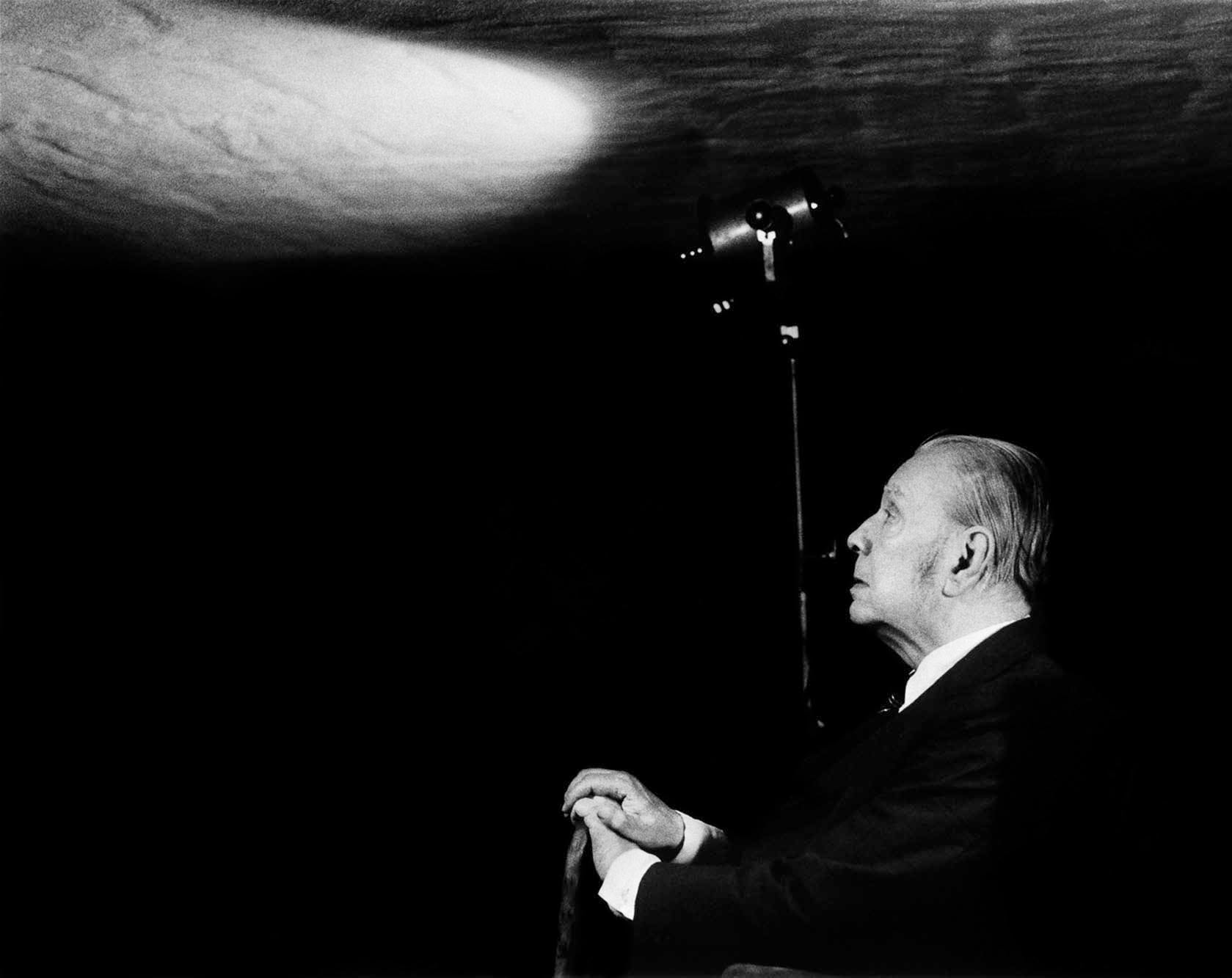
Jorge Luis Borges viewed cinema as an autonomous art form
Headline and summary by local AI
Jorge Luis Borges explored the relationship between literature and cinema, viewing the latter as a distinct art form with its own unique visual language.
Borges identified Hollywood as a central element of his cinematic perspective. He saw American filmmaking as a medium that captured life rather than just replicating literature. This view was considered subversive during a time when many European cultural figures dismissed Hollywood as the opposite of high art.
Borges specifically admired the epic qualities of westerns and gangster films by Josef Von Sternberg. The influence of cinema likely shaped Borges's literary style. Scholars suggest that the visual nature of film encouraged him to use precise imagery and linguistic synthesis. His writing style, characterized by a focus on visual clarity and the removal of unnecessary detail, mirrors the way cinema condenses experience into images.
This shift may have even influenced his belief that the traditional novel was no longer necessary in the 20th century because cinema could already handle vast narratives. Borges also engaged with the industry by co-writing scripts with Adolfo Bioy Casares for projects like Invasión, Los otros, Los orilleros, and El paraíso de los creyentes. In his criticism, he advocated for an objective analysis of films, free from nationalistic biases or the desire to please high-culture critics.
He championed the idea that a viewer should find value in the art itself, whether it was a local production or a foreign film.
Selected and summarized by local AI How we work