Algarroba harvest fuels artisanal drinks competition
Summary and headline written by AI from the source article. How we work
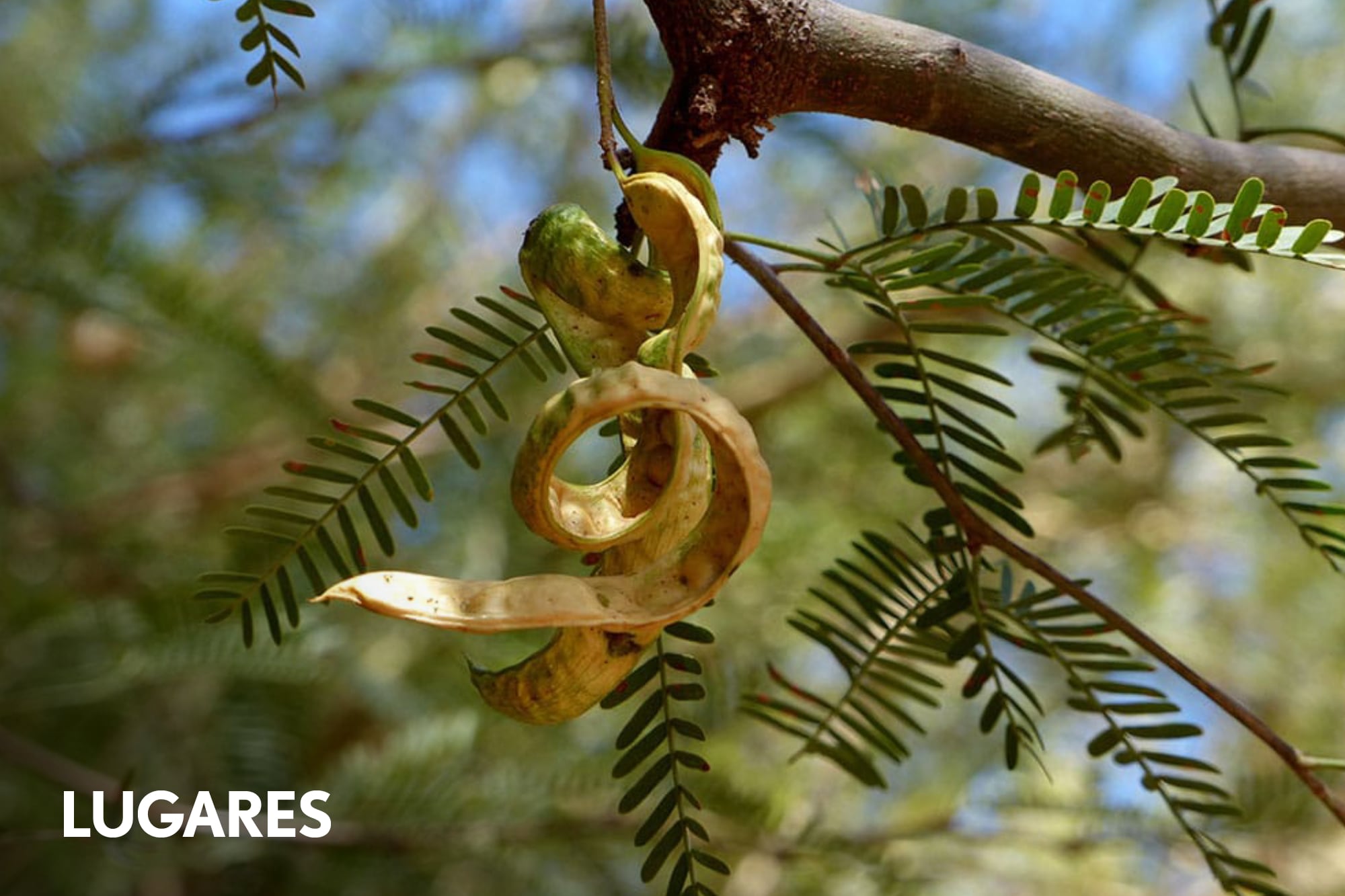
In Argentina’s Calamuchita Valley, Florencia Alloni and local families are revitalizing the tradition of harvesting carob pods, the fruit of the algarrobo tree, and transforming them into value-added products. For fifteen days each January and February, ripe carob pods fall from the trees and are collected by hand before rain or dew spoils them.
Alloni founded Secreto Campesino, a business that processes these pods into flour, toast, and arrope (a syrup), prioritizing collaboration with neighbors and those who claim ownership of the trees. Alloni returned to her family’s ancestral home in Villa Amancay after studying arts in Buenos Aires, coinciding with a movement to protect the region’s native forests, 97% of which had been lost in a century.
She began seeking ways to economically support the local ecosystem, starting with carob and eventually expanding to include other wild-harvested foods. She learned traditional knowledge from older residents, like Margarita Torres, who taught her how to make lye and black soap, and Mercedes Gacero, who shared the culinary traditions of the region’s original inhabitants. Recently, Secreto Campesino partnered with Slow Food to launch a contest for artisanal beverages made with carob.
The competition drew participation from local producers, universities, and government agencies, culminating in a showcase of winning drinks at Terra Madre, Slow Food’s international gathering in Turin, Italy. The project, funded by proceeds from Negroni Week celebrations worldwide, aims to connect consumers with the flavors of the region and encourage sustainable land stewardship.

