AI advances stroke detection and treatment in Argentina
Summary and headline written by AI from the source article. How we work
Doctors in Buenos Aires, Argentina, are integrating artificial intelligence into stroke care, using apps and devices to improve speed and accuracy of diagnosis and treatment.
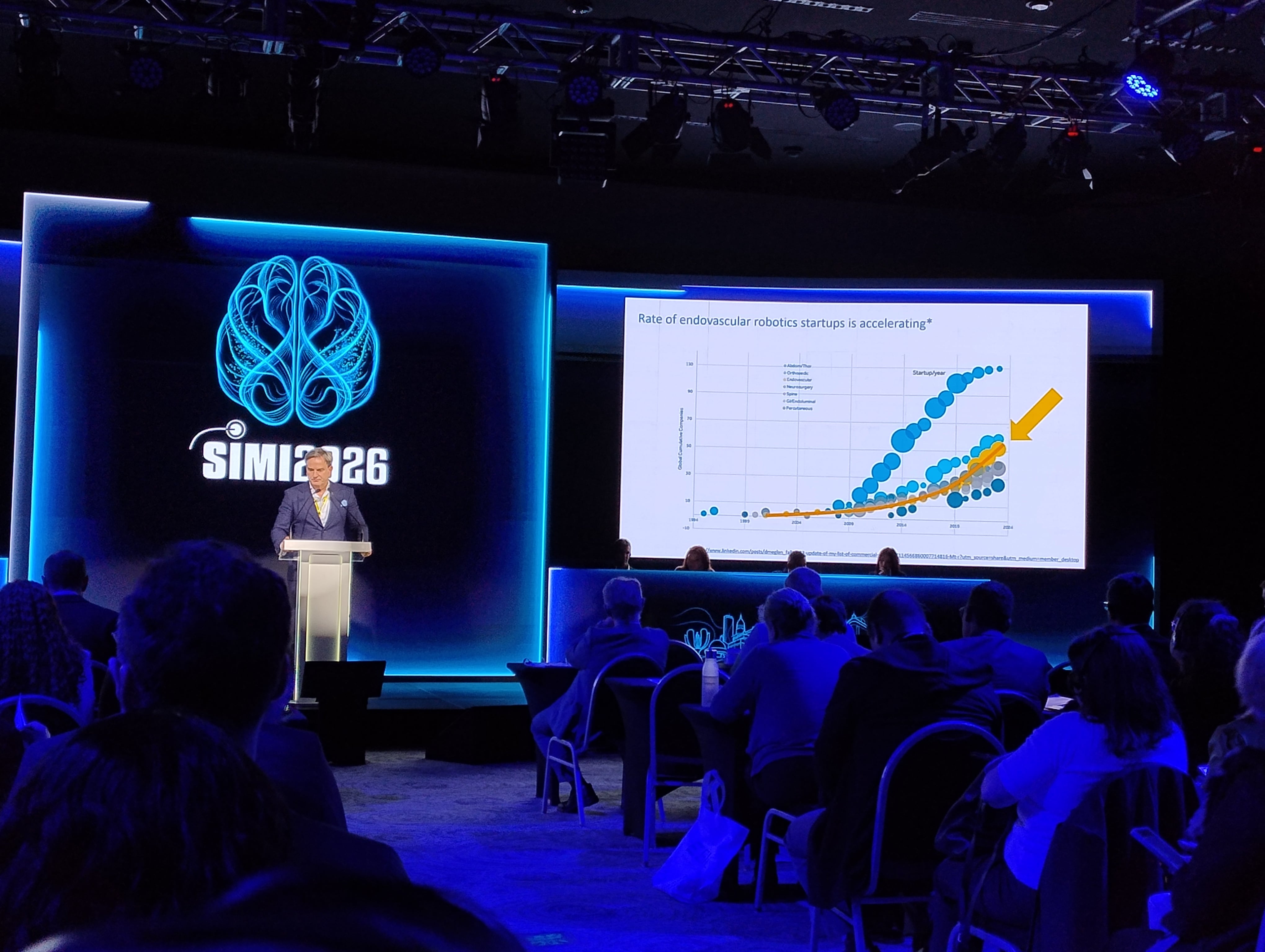
During the 35th Minimally Invasive Intervention Week (SIMI), specialists discussed how AI is already helping them decide which patients need treatment and how to best approach it.
New tools include apps that analyze facial images and voice recordings to detect strokes, smartwatches that can predict risk in high-risk patients, and advanced imaging that quickly identifies the type of stroke. Pedro Lylyk, president of the SIMI organizing committee, explained that AI isn’t a future possibility in medicine, it’s already being used to analyze data and guide treatment decisions.
Researchers are also developing AI-powered systems to speed up the process of removing blood clots during ischemic strokes, a common type in the country, which affects around 50,000 people annually. They are building these systems by feeding vast databases of patient images and diagnostic information into AI algorithms. Experts from the United States and Germany are experimenting with AI to reduce wait times, from reading medical images to selecting patients for treatment.
Tudor Jovin of the Cooper Neurological Institute envisions a future where stroke diagnosis begins at home, using apps and wearable devices. While acknowledging the need for funding, Jens Fiehler of Hamburg-Eppendorf University Medical Center emphasized that AI complements, rather than replaces, human intelligence, as it cannot independently generate new data.
Though significant progress is being made in acute stroke care, Lylyk noted that rehabilitation for stroke survivors remains a critical and often overlooked need, with barriers to coverage and a lack of prepared centers hindering access to timely care.


:quality(85)/fdb5b5e1-6811-4931-bb29-eda5ff3a4b9b.png)