Egyptologist challenges Hollywood’s portrayal of ancient Egyptian sexuality
Summary and headline written by AI from the source article. How we work
Marc Orriols, an Egyptologist from Barcelona, Spain, presented research at a recent conference arguing that popular depictions of sex in Ancient Egypt are inaccurate.
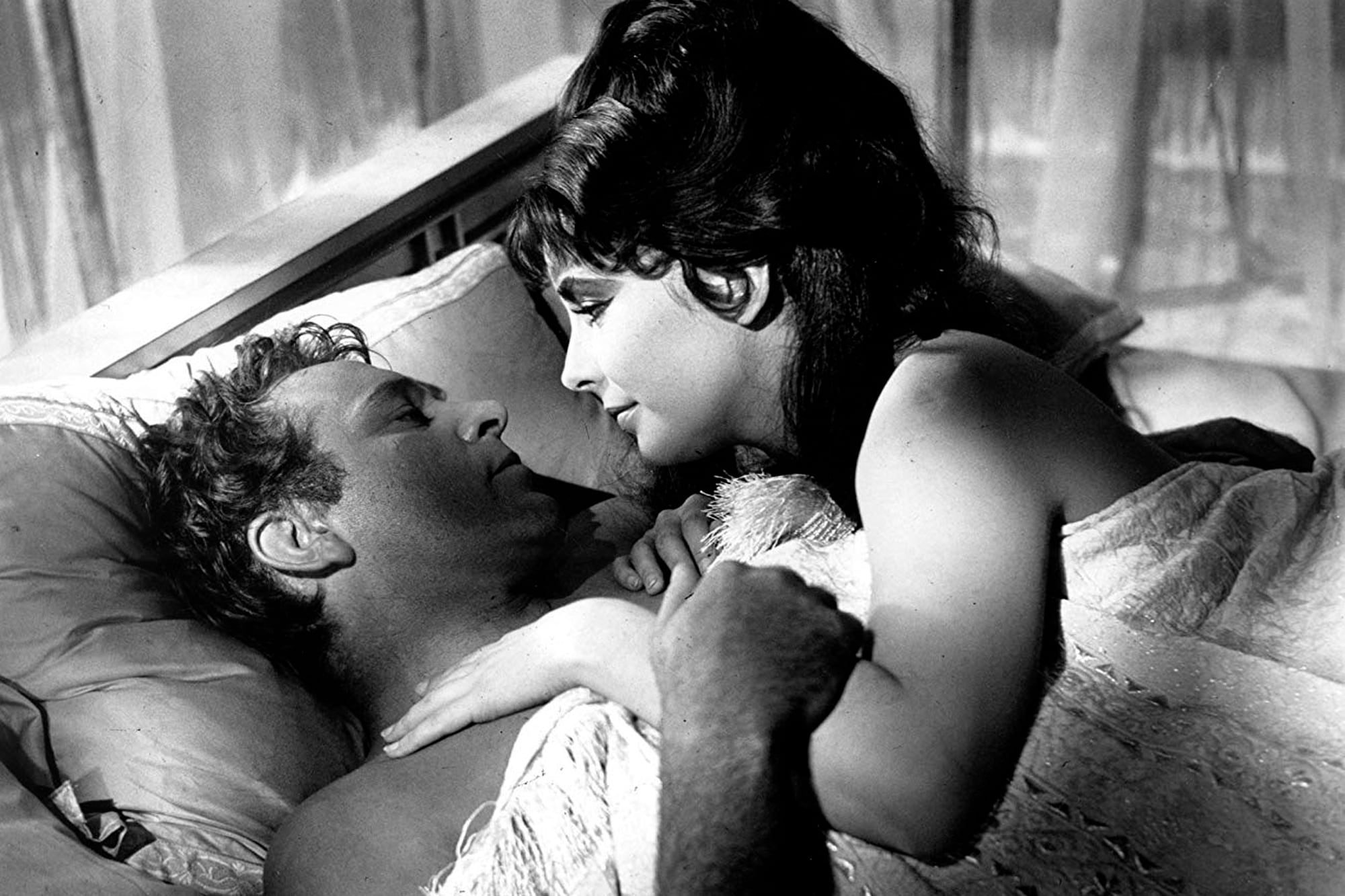
Orriols examined the erotic papyrus of Turin, a 3,150-year-old document detailing sexual acts, and suggests it contains humor about traditional masculinity and potentially the earliest depiction of female squirting. He contends that, contrary to the image created by Greek and Roman accounts and especially by Hollywood films, Ancient Egyptian society was generally modest.
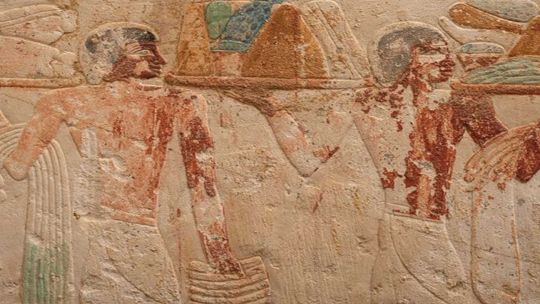
While religious imagery sometimes shows sexual fluidity among gods, everyday life left few representations of sex, around thirty examples survive from thousands of years of history, including one depicting intercourse with a donkey. Orriols believes earlier Egyptologists may have suppressed or destroyed depictions they found offensive. The researcher also noted the Egyptians did not wear the sheer clothing often shown in popular media.
He explained that these images come from religious or funerary contexts and are often misinterpreted as reflecting daily life. Orriols found no evidence of non-binary gender identities or homosexuality in Ancient Egyptian society, asserting it was formally binary and heteronormative, as would be expected in a patriarchal system. He did identify two positions, rear entry and a woman on top, appearing in the limited surviving depictions of sexual activity, suggesting they may have been associated with female pleasure.