Rising rental costs force Argentine families to save for over six years
Headline and summary by local AI
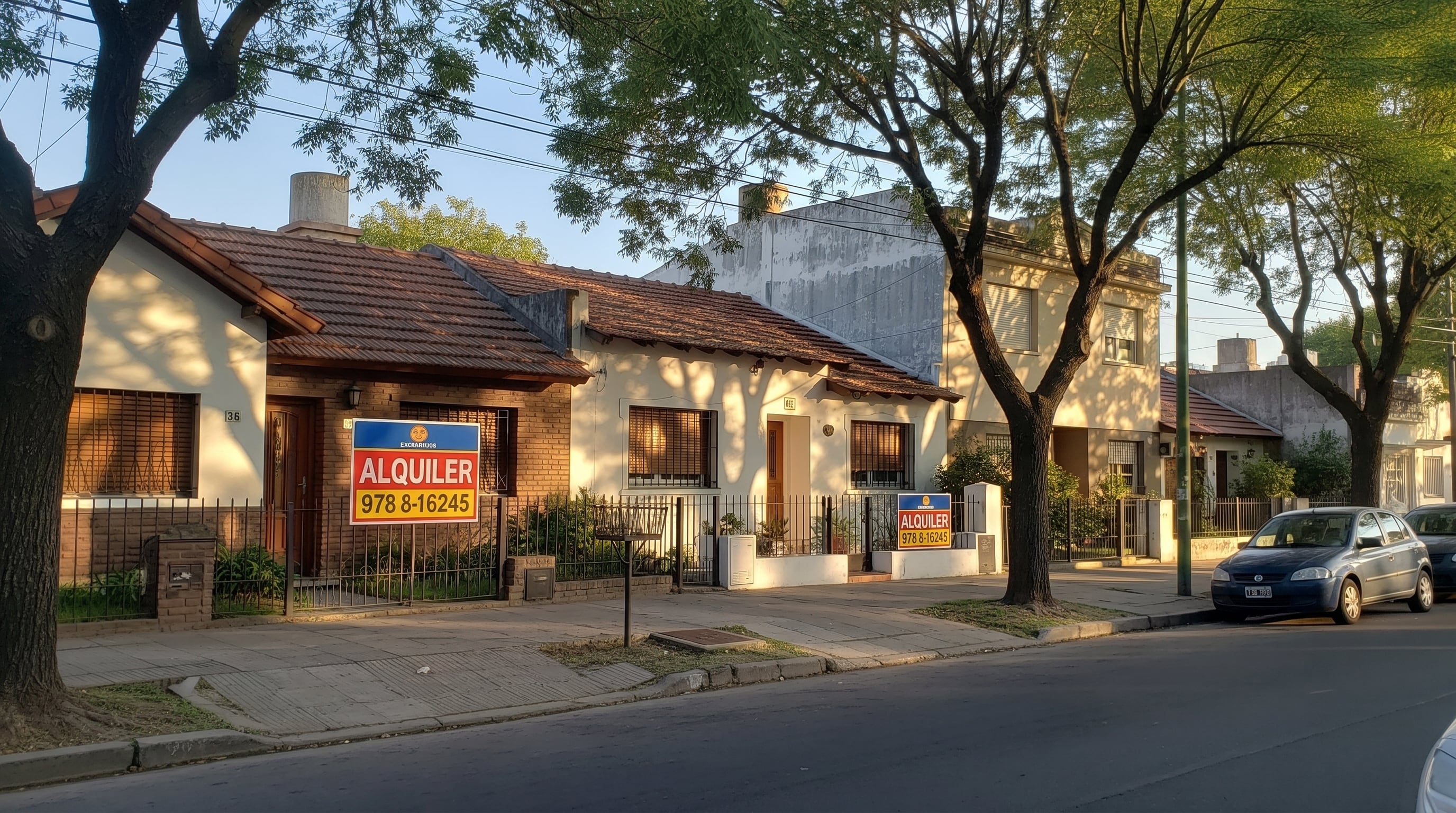
Ieral - Fundación Mediterránea reported that nearly 600,000 households in urban Argentina switched from owning to renting homes over the last decade.
Between 2016 and 2026, the proportion of households renting rose from 18% to 21%, while homeownership fell from 71% to 68%. The report notes that renting is no longer just a temporary phase for young people or low-income families, but a prolonged situation for many.
The study attributes this shift to a lack of accessible mortgage credit and the high amount of savings required to secure a property. Even with available credit, buyers usually need an initial down payment of 25% to 30% of the property price. For a registered private employee saving 20% of their monthly salary, it takes an average of 6.4 years to save enough for a two-room home.
These timelines vary by region, reaching 9.6 years in Misiones and 6.9 years in the Ciudad Autónoma de Buenos Aires. The increase in renters primarily affected middle and high-income groups, with the ninth income decile seeing an 8.7 percentage point rise. The report states that formal employment and steady income no longer guarantee homeownership due to the gap between salaries paid in pesos and property prices listed in dollars.
Consequently, many people aged 30 to 49 are delaying home purchases, with this age group accounting for nearly 80% of the total increase in renters. Ieral suggested that the country needs to rebuild mortgage financing. The organization pointed to the Fondo de Garantía de Sustentabilidad as a potential tool, noting that its investments reached 12.1% of the gross domestic product by September 2026. The report advocates for using these funds to support long-term mortgage loans.
Selected and summarized by local AI How we work
Thriving: Health improving, rights advancing, lives getting better.
More in Thriving

Consumer commission orders boutique to refund payment for undelivered suits
timesofindia.indiatimes.com · 18 Nov 2026

Lithuanian tourists return home after release from Democratic Republic of Congo
lrt.lt · 21 Nov 2026

Venezuelan women receive gastronomy entrepreneurship certificates in carupano
eltiempove.com · 19 Nov 2026