Cuba restores power after nationwide blackout
Summary and headline written by AI from the source article. How we work
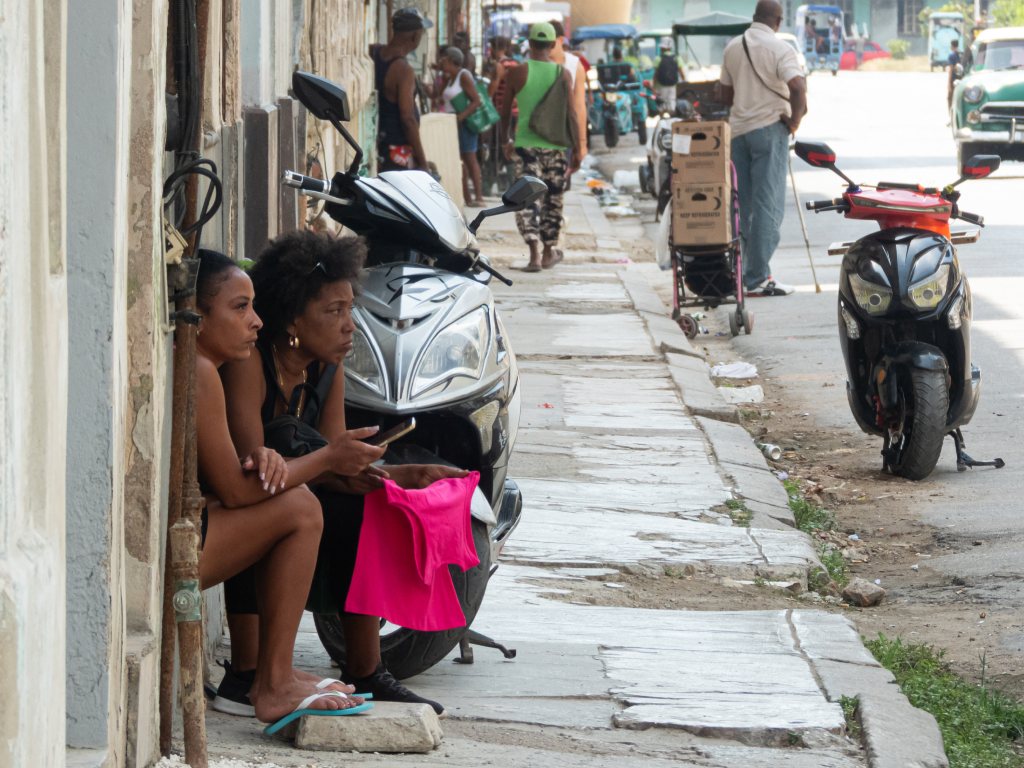
Cuba restored electricity to most of the country after a widespread blackout left over nine million people without power.
The outage began midday on September 18, initially affecting western provinces from Pinar del Río to Matanzas before spreading nationwide. Authorities first reported a failure in transmission lines in the west, later identifying a breakdown in a 220 kilovolt power line between Matanzas and Cienfuegos as a precursor to the full collapse.
By the evening of September 19, the Unión Eléctrica de Cuba (UNE) reported reconnection of the system in 14 of Cuba’s 15 provinces. Guantánamo, in eastern Cuba, was the only province still without power. However, full restoration to all homes remained incomplete, as energy generation capacity was still limited. In Havana, power had reached 48 percent of users during the recovery process. Essential services received priority, with all 46 hospitals and 13 of 18 major water pumping systems operational.
Cuba previously experienced a nationwide blackout in early August, where complete service recovery took approximately 36 hours. Recurring blackouts stem from aging power plants needing maintenance and limited fuel availability, a situation worsened by United States restrictions on oil shipments to Cuba, according to Cuban authorities. The US government also attributes the problems to economic management and deteriorating infrastructure. Despite the reconnection, continued power shortages mean scheduled and prolonged outages will likely persist.
How we evaluated this
More in Solutions
PG&E and Massachusetts invest millions in energy resilience projects
energy-storage.news · 22 Sept 2026
New York expands energy assistance to help millions of families
lanacion.com.ar · 16 Sept 2026

Cameroon deploys smart meters to improve government power billing
businessincameroon.com · 26 Sept 2026