El Salvador establishes pupusas as a national cultural identity
Headline and summary by local AI
El Salvador defines the pupusa as a national dish through cultural recognition and institutional declarations.
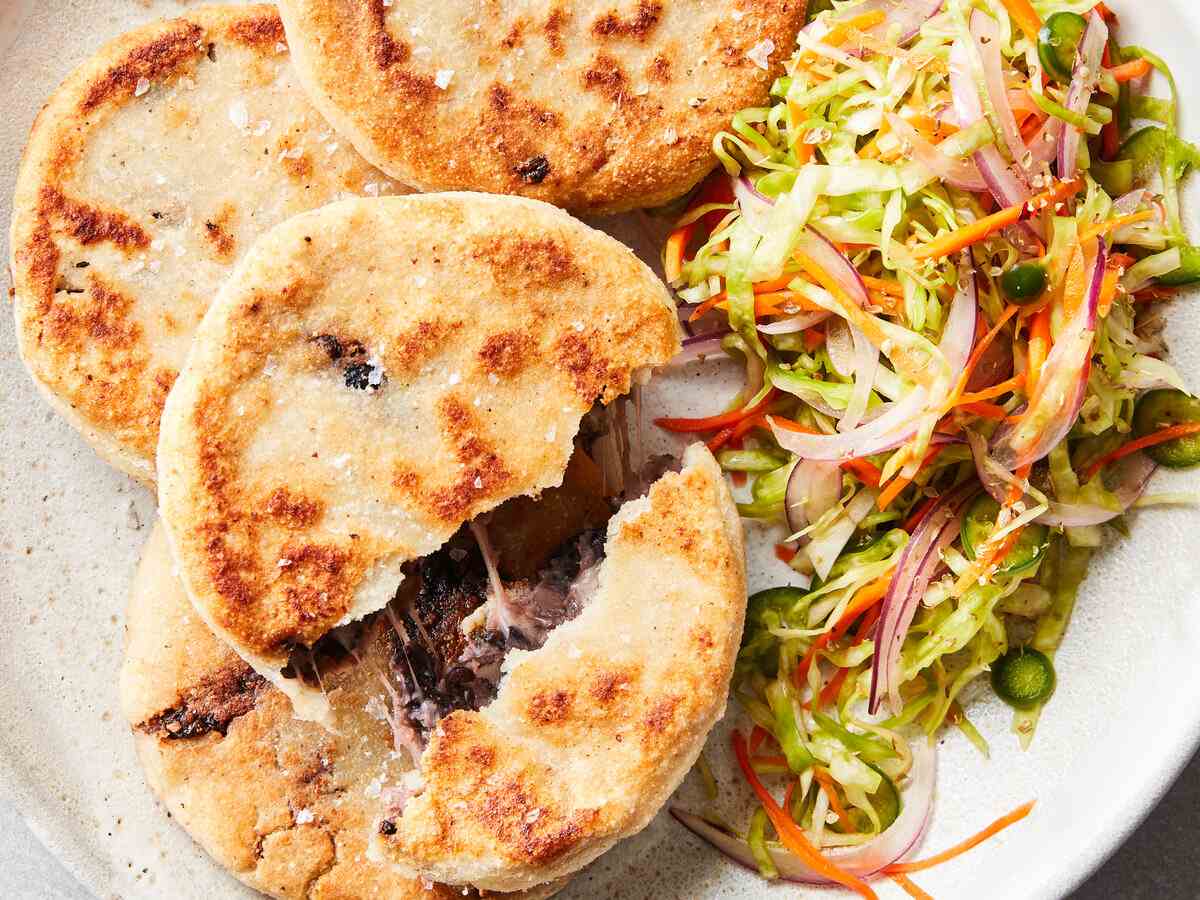
While the dish has roots in Mesoamerican food traditions, its modern identity is deeply tied to Salvadoran society. The government of El Salvador declared the pupusa a national dish in 2005 and designated the second Sunday of November as its day of celebration. Historical evidence suggests that the pupusa evolved from ancient indigenous practices involving nixtamalized corn, beans, and squash.
Archaeological records from 2023 include the dish as a preparation derived from these ingredients, though they do not pinpoint a specific location or date of invention. The recipe changed over time as European contact introduced cattle and pigs, leading to the inclusion of cheese and pork rinds in modern versions. The dish also appears in the history of neighboring Honduras. A 1897 publication by Alberto Membreño recorded a preparation called pupusa filled with cheese or beans.
These records show that the food was known in the region during the 19th century, even if its precise point of origin remains a subject of debate. In El Salvador, the pupusa serves as a symbol of belonging and a driver of the local economy. Producers in Olocuilta use the town's reputation to market rice pupusas to other regions. The dish also travels with the Salvadoran diaspora to places like Washington, where it influences the local food culture.
Selected and summarized by local AI How we work
Discovery: Archaeology, new knowledge of art, culture and history, forgotten history uncovered, something lost restored.