Peru renamed its national dance to distance it from Chile during war

Headline and summary by local AI
Journalists and intellectuals in Peru changed the name of a popular coastal dance from "chilena" to "marinera" during the late 19th century.
This shift occurred as tensions escalated leading up to the War of the Pacific. In March 1879, a note appeared in the newspaper El Nacional titled "No más chilenas," arguing that local musicians and poets should remove foreign names from national traditions.
Abelardo Gamarra, known as "el Tunante," claimed he was the primary figure responsible for this naming transition. He argued that while the dance had various names like tondero or mozamala, the term "chilena" became inappropriate once the conflict with Chile began. This change served as a political statement to reclaim the dance as a Peruvian identity during a period of intense military and social upheaval.
Historians note that the dance, which also appeared under names like zamacueca or ecuador, originated in popular neighborhoods like Rímac. While the intellectual elite adopted the "marinera" name to distance the dance from the enemy, the common people who performed the dance in public squares may have already used the name informally. The dance remains a central part of Peruvian culture today, largely popularized by the Concurso Nacional de Marinera in Trujillo.
Selected and summarized by local AI How we work
More in Discovery

Photographer Andres Oyuela uses Colombian identity to shape fashion imagery
colombiaone.com · 17 Nov 2026
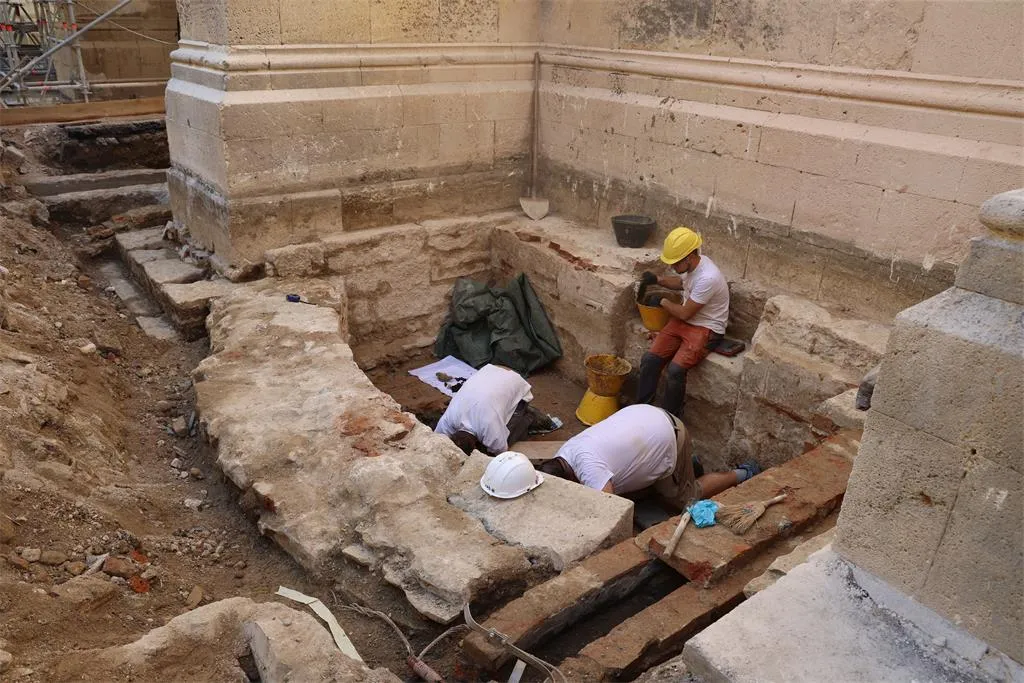
Archeologists discover remains of Croatian historical figure during cathedral restoration
n1info.hr · 20 Nov 2026

Company builds digital archive to preserve Edo language and culture
techcabal.com · 17 Nov 2026