El Salvador adjusts farming practices to combat El Niño droughts
Headline and summary by local AI
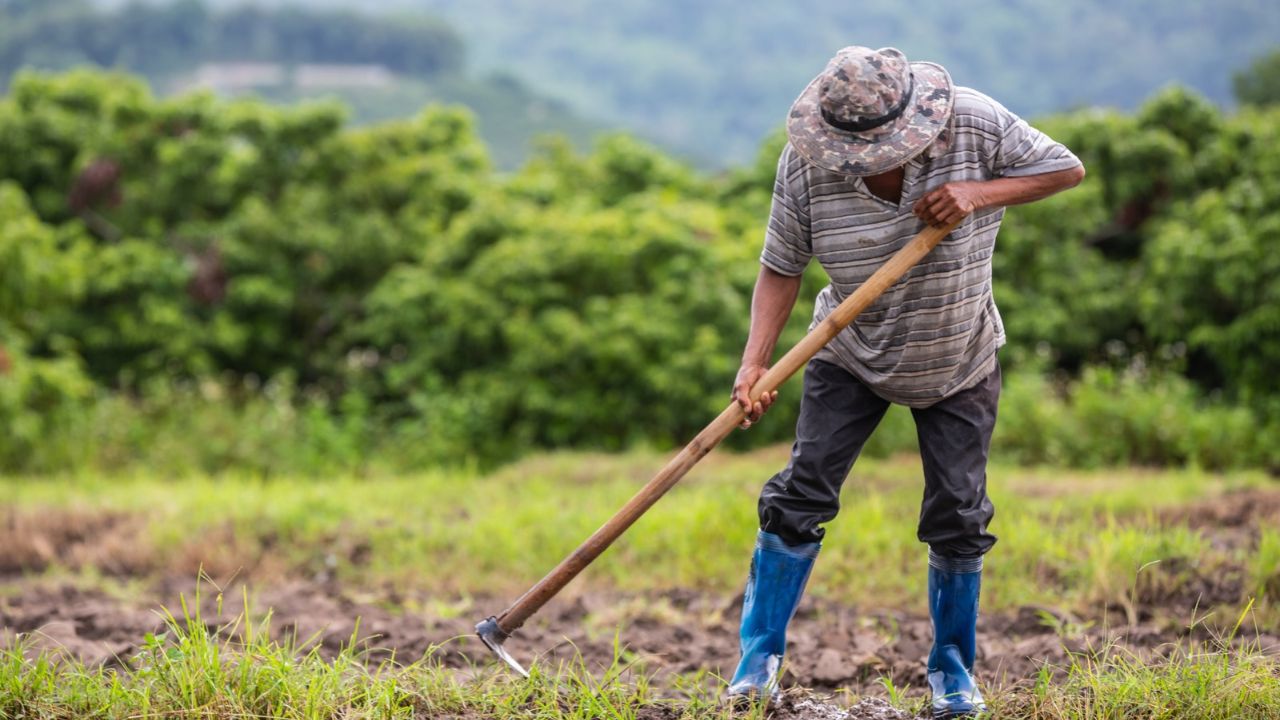
The Ministry of Agriculture and Livestock of El Salvador (MAG) is changing farming practices for 2026 to protect crops from extreme temperatures and irregular rainfall caused by El Niño.
These changes aim to reduce crop losses and ensure food security in a region where traditional planting cycles based on May rains are becoming less reliable. The ministry plans to accelerate the planting of approximately 60,000 manzanas of maize by drilling wells and installing mobile irrigation systems.
This strategy ensures that crops have enough water during critical growth stages, particularly for maize, which serves as a staple food for the country. Farmers are also switching to drought-resistant seeds, such as the CENTA Porrillo 2020 variety, to help crops survive harsh climate conditions. The government is also adopting digital tools and meteorological analysis to manage climate risks.
Through a regional initiative involving the Food and Agriculture Organization (FAO), the government of Brazil, and neighboring countries, farmers can now use Climate Risk Agricultural Zoning (ZARC). This tool uses soil and climate data to identify the best planting periods based on science rather than tradition. These efforts are part of a broader regional push to protect the Corredor Seco, a dry corridor in Central America that is highly vulnerable to prolonged water shortages.
Selected and summarized by local AI How we work
More in Solutions
Remote Vietnamese school receives solar power and clean water systems
e.vnexpress.net · 20 Nov 2026

Ghana implements national training standard for heavy goods vehicle drivers
ghanaiantimes.com.gh · 19 Nov 2026

Austrian hospitals provide basic healthcare to counter doctor shortages
steiermark.orf.at · 13 Nov 2026