Amazonian communities revive ancestral knowledge in schools
Summary and headline written by AI from the source article. How we work
In Ecuador, the Waorani, Siekopaai, and A’i Cofán peoples are integrating the wisdom of their elders and traditional practices directly into their children’s education.
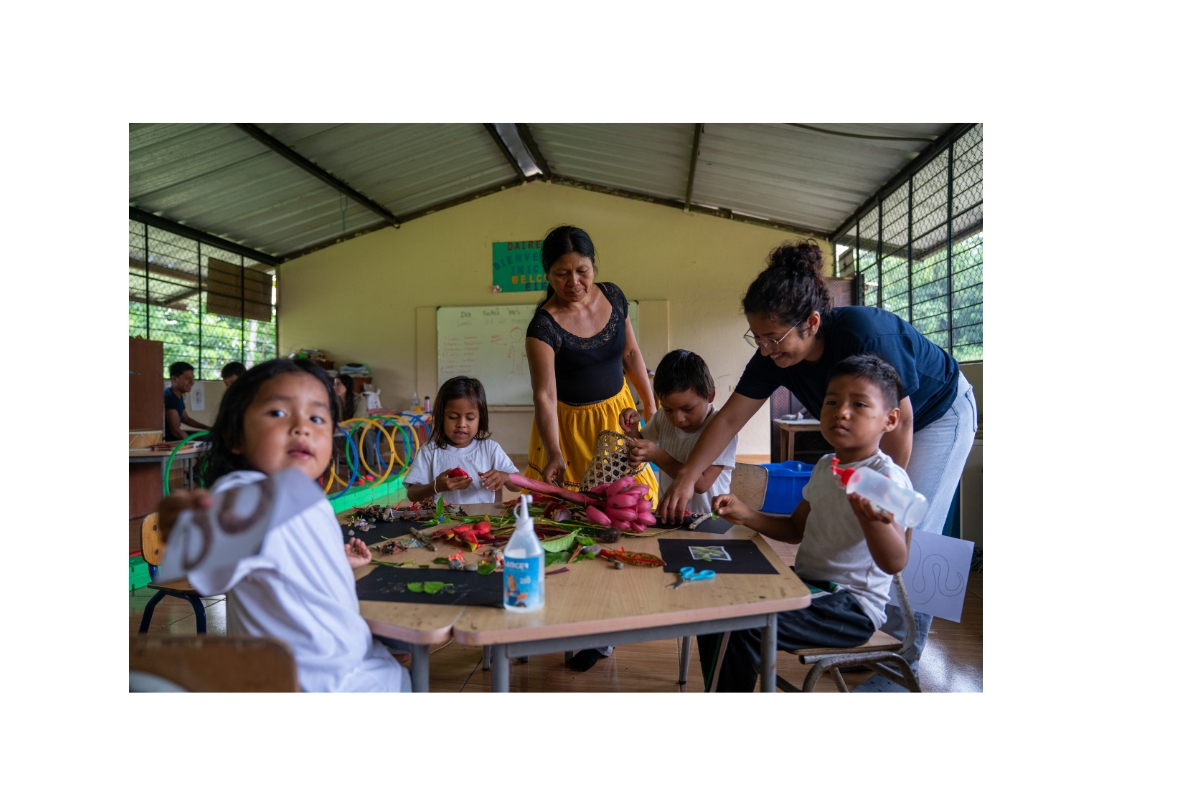
Beginning with the 2026-2027 school year, these three Amazonian nationalities officially registered their community-based educational projects and curricula with the Secretariat of Intercultural Bilingual Education and Ethnoeducation. This registration allows them to implement their own teaching models within their territories without obstruction, ensuring children learn from grandparents, wise elders, and through direct experience in the rainforest.
The process began in 2019 with the Waorani, who identified significant issues in their existing education system, including a lack of infrastructure, inadequately trained teachers, and the loss of language and cultural practices. Through extensive dialogue with community members, they determined a need to preserve their identity and ensure future generations continue to speak their language, practice their traditions, and maintain a spiritual connection to their land.
These communities developed curricula that blend traditional knowledge with standard subjects, often centering around themes like “my territory” for the Waorani. Elders now function as living libraries, teaching practical skills like crafting, hunting, and traditional medicine alongside math, reading, and science. While each nationality maintains a connection to Ecuador’s national education system, local commissions, composed of community members, now oversee monitoring, evaluation, and family participation in their children’s learning.