Communities in Jalisco use flowers and water to honor ancestors during day of the dead
Headline and summary by local AI
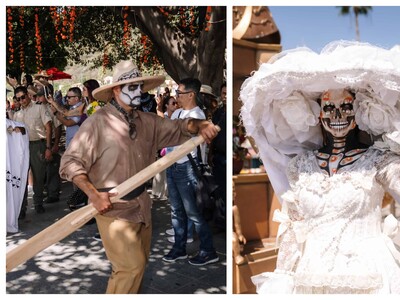
Residents and officials in Jalisco, Mexico, organize public displays and private altars to celebrate the Day of the Dead.
In Zapopan, the local government integrates maize motifs into the decorations because the city was historically known as Villa Maicera. Bibiana Tenorio Orozco, the director of Tourism and the Historic Center of Zapopan, explains that these decorations help maintain cultural roots for younger generations. The orange cempasúchil flowers serve as symbolic paths to guide souls back to their homes.
Families across the region prepare unique altars featuring photographs, candles, water, salt, and traditional foods like pan de muerto. These displays serve as a way to keep the memories of relatives and even pets alive. While many people celebrate Halloween with costumes on October 31, the focus shifts to traditional family rituals on November 1 and 2. In the lakeside town of Chapala, the community incorporates the natural landscape into the festivities.
During the Festival de las Almas, boats decorated with lights and flowers participate in the Arribo de las Almas. This procession involves vessels traveling from Parque de la Cristianía to La Vela to represent the return of the deceased. The UNESCO recognized the indigenous celebration of the Day of the Dead as an intangible cultural heritage of humanity in 2008.
Selected and summarized by local AI How we work