Cuba government works to restore water supply in Havana
Headline and summary by local AI
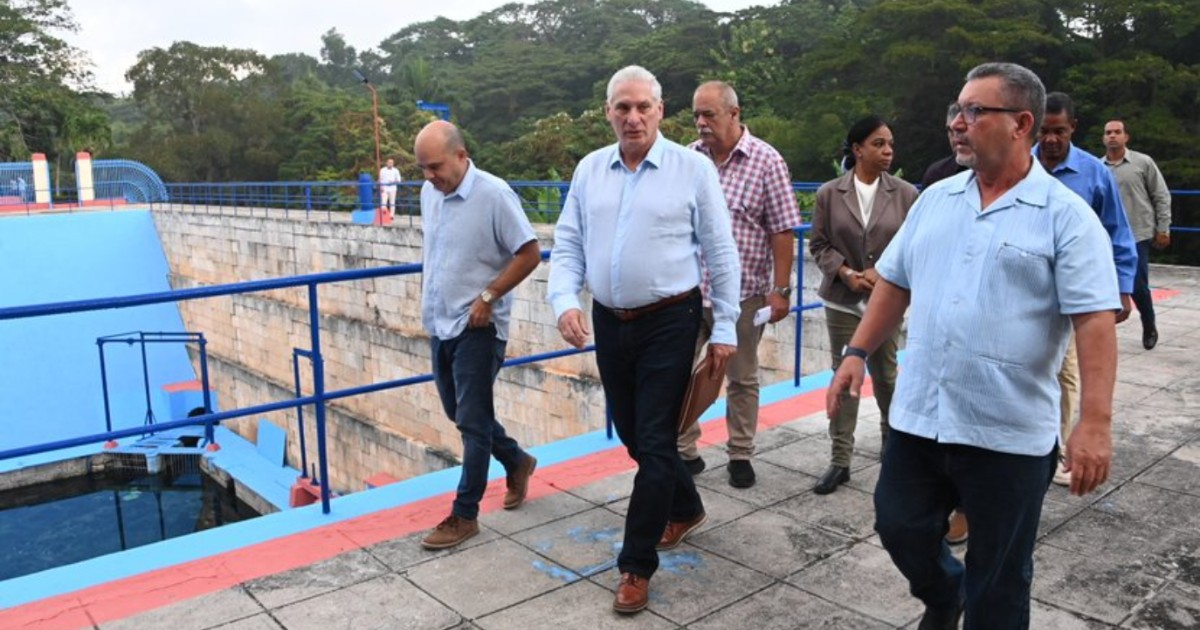
President Miguel Díaz-Canel visited the La Taza de Vento site in the Boyeros municipality of Havana to inspect the Comprehensive Water Supply Assurance Program. He stated that the government has made progress in the last ten days but acknowledged that more work remains to resolve the water crisis.
Javier Toledo Tápanes, the First Vice President of the National Institute of Hydraulic Resources, reported that the number of people affected by water issues in the capital dropped from 577,000 at the start of the program to 255,000. He expects this number to decrease further over the next 15 days. The restoration work includes repairing the Vento well, restoring pumping stations, and rehabilitating the tunnel at the historic Albear Aqueduct.
Workers are also installing new pumps at the El Gato, Cuenca Sur, and Aguada del Cura sources. The water crisis stems from infrastructure that is 60 to 70 years old, which loses up to 70% of water before it reaches homes. The National Institute of Hydraulic Resources says that nearly 2.7 million Cubans, or 34.5% of the population, suffer from supply interruptions. Most of these issues result from a lack of electricity to run pumps or from equipment failures.
Díaz-Canel admitted the government cannot currently provide the 10 to 12 hours of electrical stability needed for the pumping systems. While some areas show improvement, residents in neighborhoods like Zamora and Las Margaritas continue to face long-term shortages, with some families collecting rainwater for months or years. To address these structural issues, the government plans to build ten photovoltaic solar parks with a total capacity of 200 MW for the capital's main water sources.
These solar parks are expected to be finished by August 2027.
Selected and summarized by local AI How we work
Solutions: Technology, policy and initiatives already in use against a real problem, with results to show.