Garifuna community achieves food autonomy in recovered territory
Headline and summary by local AI
The Garifuna community in Vallecito, Limón, Colón, produces and distributes food through a communal kitchen to achieve self-sufficiency.
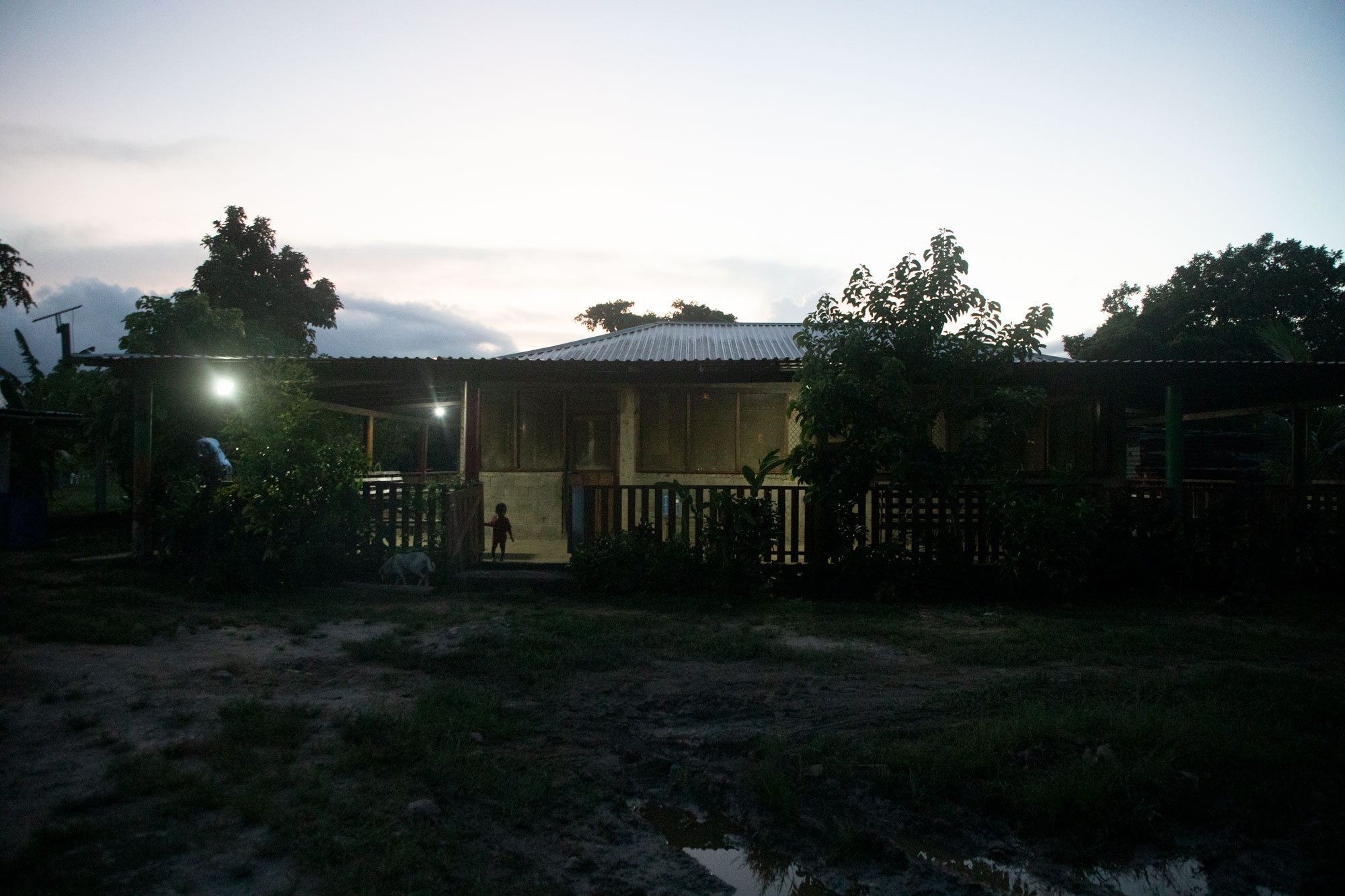
Jennifer Suazo coordinates the large kitchen where residents prepare meals for the community. The kitchen provides food for those who work the land, such as those cutting grass or clearing brush for coconut trees, as well as for community members and visitors. The kitchen prioritizes children, women, and the elderly to ensure no one in the settlement goes hungry.
The community prepares dishes such as fried beans, scrambled eggs, and flour tortillas, while also producing ancestral Garifuna meals like machuca and tapado. The inhabitants rely on crops and livestock raised on their own land to reduce dependence on external products. They cultivate rice, lemons, mangoes, guanabanas, papayas, avocados, and bananas. The community also raises chickens and pigs and processes their own resources in a shed to produce coconut oil, casabe, and various types of bread.
The community recovered these ancestral lands in August 2012 and refers to the area as a free territory. Prior to 1993, Garifuna communities occupied the coast between Santa Rosa de Aguán and Plaplaya. In 1997, the Movimiento Iseri Lidamari and the Organización Fraternal Negra Hondureña obtained documents for 2,700 hectares of land from the Instituto Nacional Agrario. The territory is currently surrounded by African palm plantations owned by Corporación Dinant.
Selected and summarized by local AI How we work