Guantánamo government uses private businesses to pay pensions
Summary and headline written by AI from the source article. How we work
The provincial government of Guantánamo in Cuba expanded a program that uses private businesses, cooperatives, and state entities to distribute pension payments to more than 27,000 retirees.
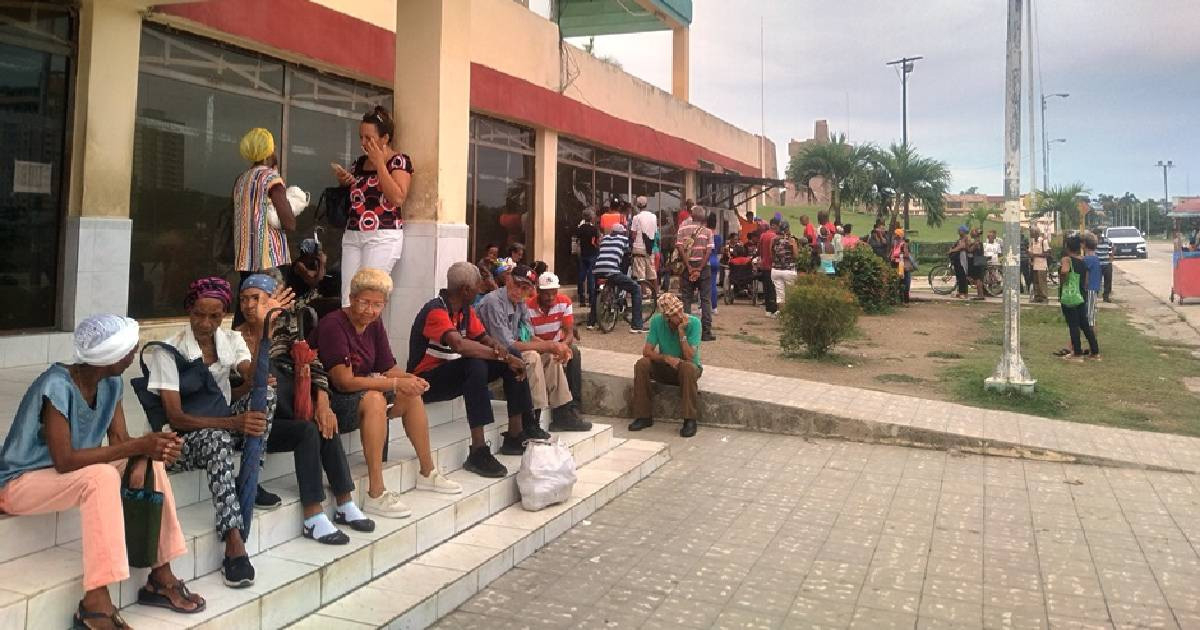
Oscar Mendoza Pérez, the provincial director of Labor and Social Security, stated that the region now has 1,462 contracts to facilitate these payments. This initiative aims to stop elderly residents from waiting in long bank queues to collect their money. Under the system, economic actors receive a payroll of names and amounts.
These businesses deliver the cash to pensioners and must submit documentation to the Credit and Commerce Bank (Bandec) or the Popular Savings Bank (BPA) within 72 hours to receive reimbursement. The program grew rapidly from August, when only 113 businesses covered payments for 3,000 people, to September, when 1,056 contracts served 18,344 beneficiaries. The expansion of the program also reflects liquidity problems at Bandec.
In September, the bank captured only 34% of the nearly 15 million pesos it needed to receive daily. While the municipality of Imías reports that 90% of its retirees use this system, other areas like Salvador and Baracoa still experience delays. Authorities have set a goal for 70% of all retirees with magnetic cards in the province to use this payment method.
Economist Elías Amor warned that moving pension payments to private businesses could create liquidity risks and bureaucratic burdens for the businesses involved. Furthermore, the average pension payment in Guantánamo sits at 3,256 pesos per month, which is below the national minimum of 4,000 pesos and significantly lower than the cost of a basic basket of goods.