Cuba prioritizes agroecology to boost food production amid blockade
Summary and headline written by AI from the source article. How we work
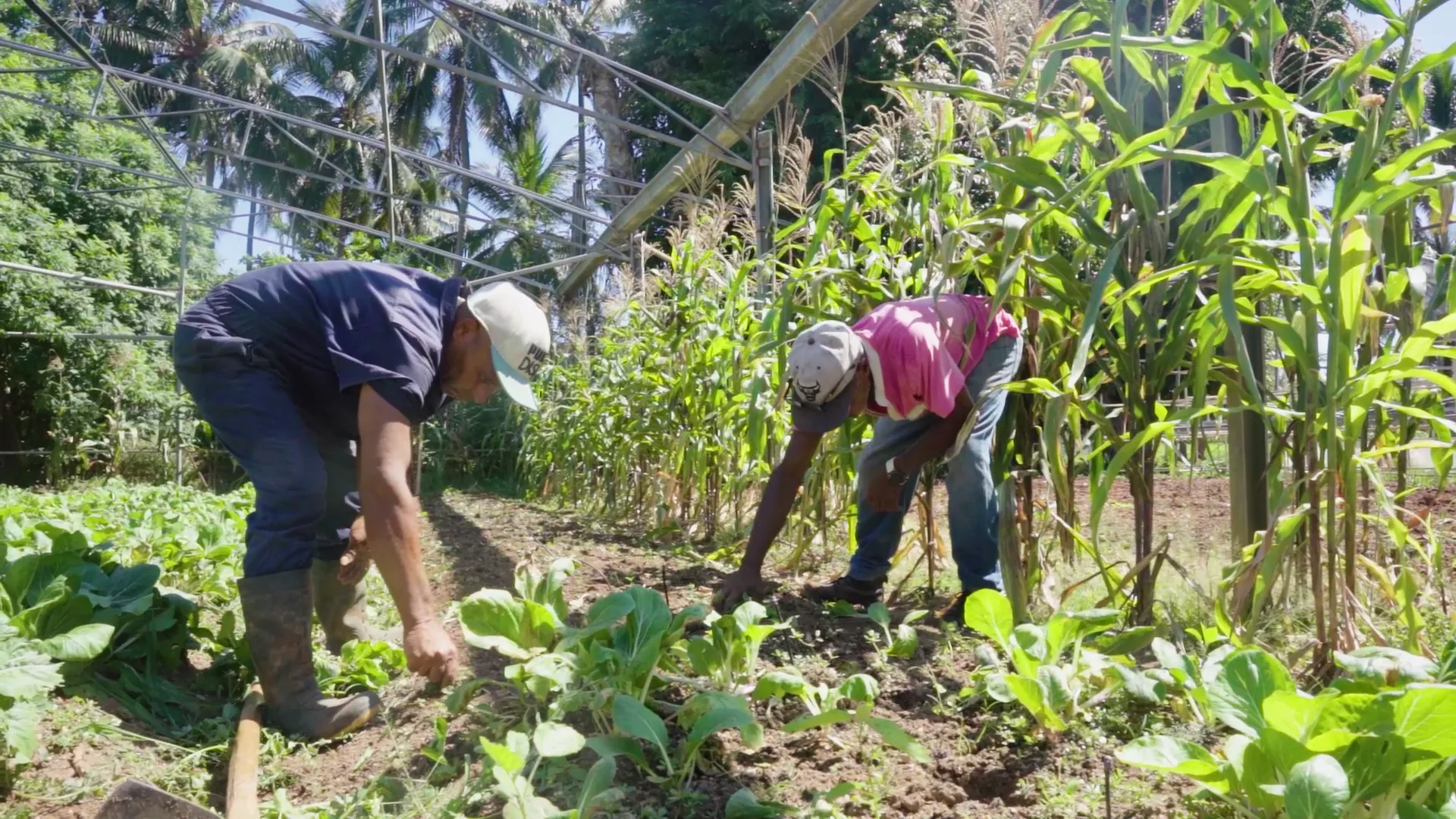
In Havana, Cuba, urban farms and cooperatives are central to a national push for food self-sufficiency, even as the country faces economic hardship.
Following the 1959 Cuban Revolution, Fidel Castro initiated land reform, limiting property sizes and supporting peasant families. This evolved over decades to include the development of “organopónicos”, intensive organic farms, and a national program for urban, suburban, and family agriculture.
The need for local food production became especially acute in the 1990s after the collapse of the Soviet Union, which cut off Cuba’s access to key resources. Universities and research centers began working with farmers to develop agroecological projects. In 2020, Cuba formalized these efforts with the Food Sovereignty and Nutritional Education Plan, and in 2022, passed a law guaranteeing the right to healthy food and organizing local food systems.
Cooperatives play a vital role, with over 5,000 responsible for roughly 80% of Cuba’s food production. These groups not only produce food but also prioritize donations to vulnerable populations. Despite these advancements, Cuba continues to struggle with a decades-long US economic blockade, which has caused billions of dollars in losses and severely impacted agricultural production of staples like pork, rice, and beans. Farmers express determination to overcome these challenges and maintain food production as a form of resistance.