Land reform transforms slave plantation into cooperative farming settlement
Headline and summary by local AI
The Movimento dos Trabalhadores Rurais Sem Terra (MST) transformed the Fazenda Fortaleza de Sant’Anna in Goianá, Minas Gerais, from a site of historical slavery into a productive farming settlement.
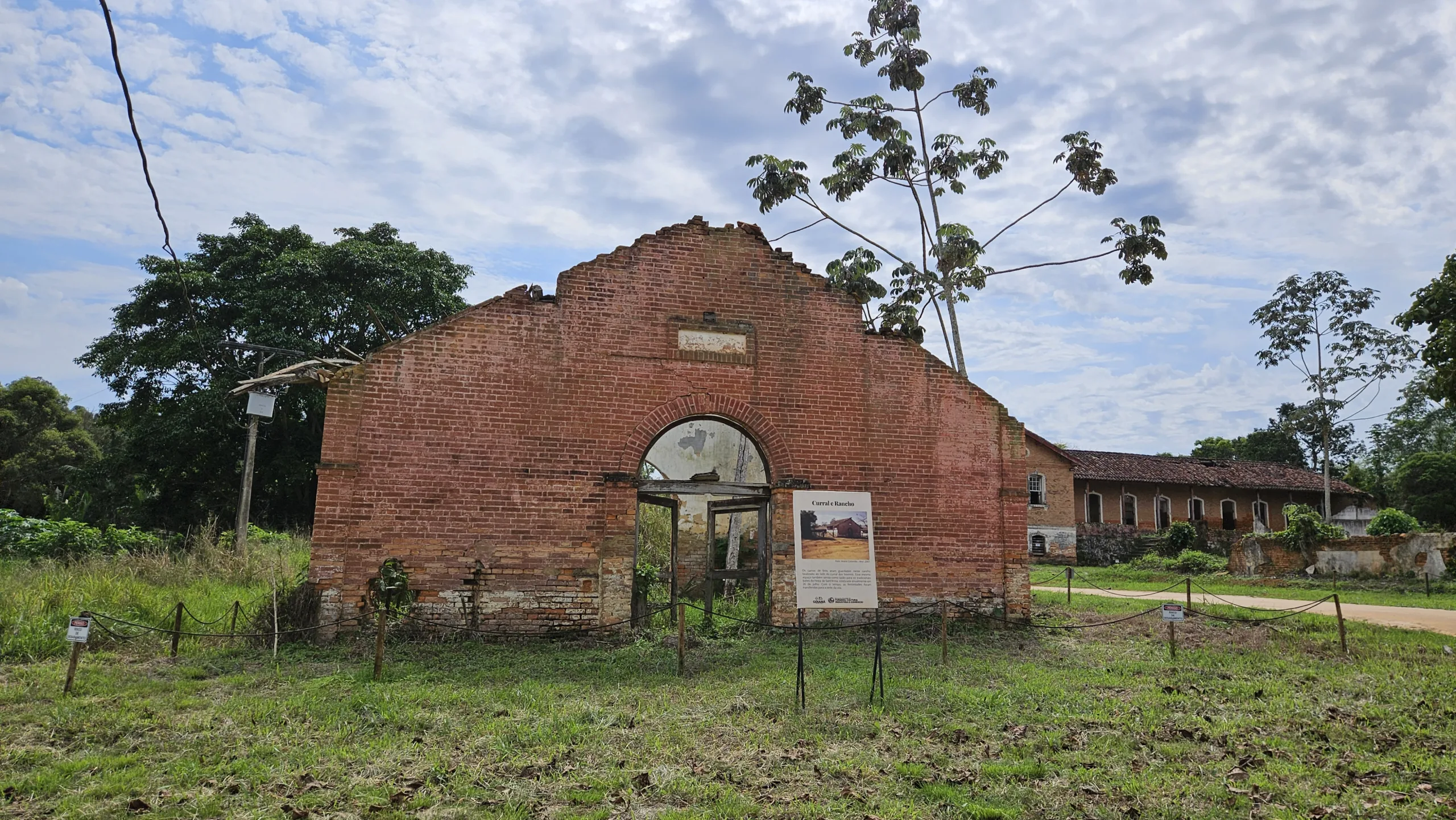
Historically, the property served as a symbol of coffee production and land concentration in the Zona da Mata region. Documents from the site confirm that more than 300 people were enslaved on the land.
The plantation once belonged to the Tostes family and later to the Santana family, eventually passing to Mariano Procópio Ferreira Lage in 1872. The MST occupied the large estate on March 25, 2010, and received legal possession in 2013. Today, 157 families live and work on the Assentamento Dênis Gonçalves. This shift replaced a system of exploitation with one of autonomy.
Farmers who previously worked as sharecroppers, where they had to split their production with a landlord, now own their own plots. One farmer, Amauri dos Reis, noted that he no longer has to share his banana grove with a boss, though he still exchanges goods with neighbors. The community produces a variety of organic foods, including bananas, cassava, and vegetables like lettuce and kale.
These products supply school meals in nearby cities such as Juiz de Fora and Coronel Pacheco, as well as the Programa de Aquisição de Alimentos (PAA). Residents also work through the Associação de Cooperação, Produção Agroecológica e Cultura Camponesa (Coopac), where families organize to process and sell sweets and appetizers. This cooperative model allows the community to manage peak production periods by hiring neighbors to help with processing.
Selected and summarized by local AI How we work
Thriving: Health improving, rights advancing, lives getting better.
More in Thriving

Amazon workers in British Columbia secure first binding union contract
theglobeandmail.com · 14 Nov 2026

Cart horses provide essential income for families in Cape Town
groundup.org.za · 19 Nov 2026

Mothers in Switzerland attend early evening club parties to balance social life
letemps.ch · 18 Nov 2026