Quilombola communities secure land rights in southern Brazil despite political opposition
Headline and summary by local AI
The federal government and the Instituto Nacional de Colonização e Reforma Agrária (Incra) accelerated the recognition and land titling of quilombola territories in the southern states of Brazil between 2023 and 2026.
These communities are descendants of enslaved Africans who formed settlements to escape servitude. While the process has gained momentum under the current administration, many communities still face long wait times for final titles and face opposition from regional conservative politicians.
In Rio Grande do Sul, Santa Catarina, and Paraná, the government issued 15 territorial recognition orders and 14 expropriation decrees in the last three years. This marked a sharp increase from the previous period, which saw only two recognition orders and no expropriation decrees. The process involves several stages, starting with certification from the Fundação Cultural Palmares, followed by technical studies by Incra to produce a Relatório Técnico de Identificação e Delimitação.
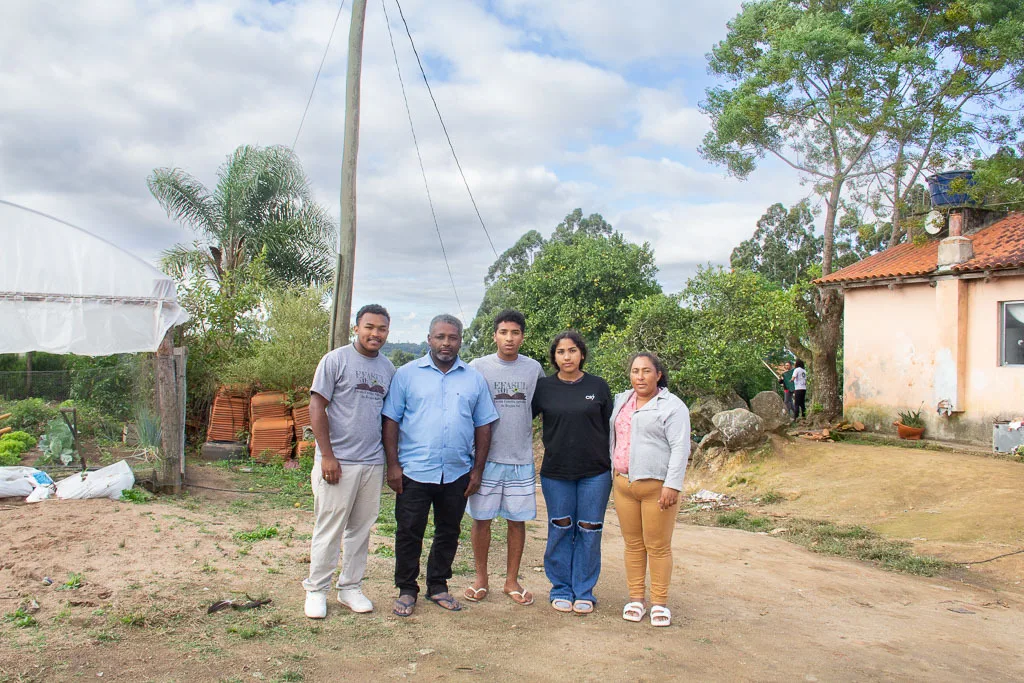
Once recognized, presidential decrees allow for the expropriation of private land to provide the community with a collective title. Local residents report that these legal victories are essential for securing their way of life and preventing forced removals. In Porto Alegre, the Quilombo Família Silva successfully secured a partial title in 2009, protecting it from high real estate pressure.
In the Vale do Ribeira region of Paraná, the Quilombo Estreitinho continues to fight for recognition to secure basic infrastructure like water and electricity. Residents there face geographical isolation, often needing boats or improvised zip lines to reach schools and clinics. The move toward land regularisation faces hurdles from local political leaders who advocate against quilombola policies.
For example, the elected governor of Rio Grande do Sul, Luciano Zucco, plans to dissolve the Secretariat for Rural Development, a move community advocates fear will weaken access to specific public policies. Despite these challenges, communities are forming alliances with universities and social movements to protect their ancestral lands and environmental resources.
Selected and summarized by local AI How we work
Solutions: Technology, policy and initiatives already in use against a real problem, with results to show.
More in Solutions

Matosinhos invests over 268,000 euros to plant 600 new trees
observador.pt · 18 Nov 2026
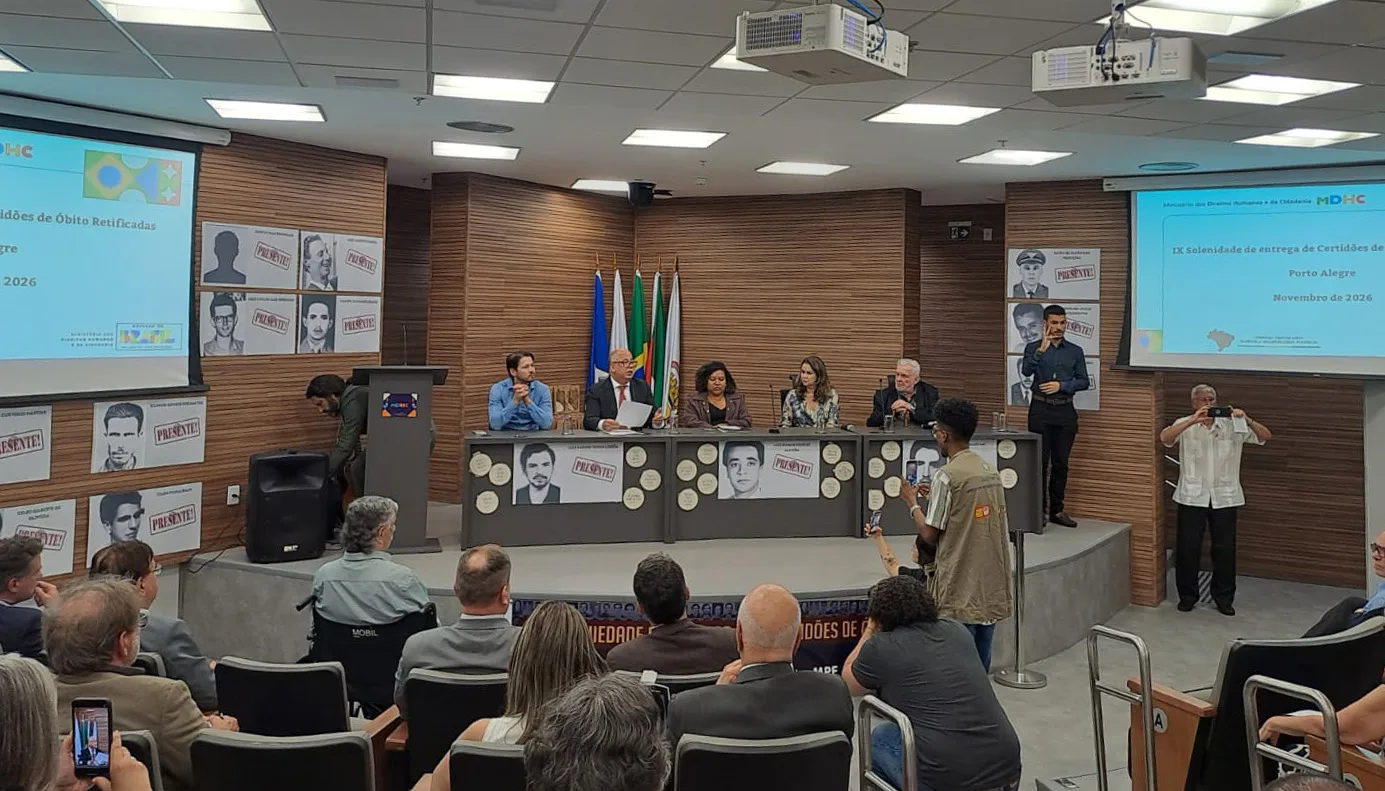
Brazilian authorities issue rectified death certificates for dictatorship victims
brasildefato.com.br · 17 Nov 2026

Nonghyup financial group plans to provide 15.3 trillion won in inclusive finance by 2030
hankyung.com · 16 Nov 2026