Brazilian network unites groups to shape environmental policy
Summary and headline written by AI from the source article. How we work
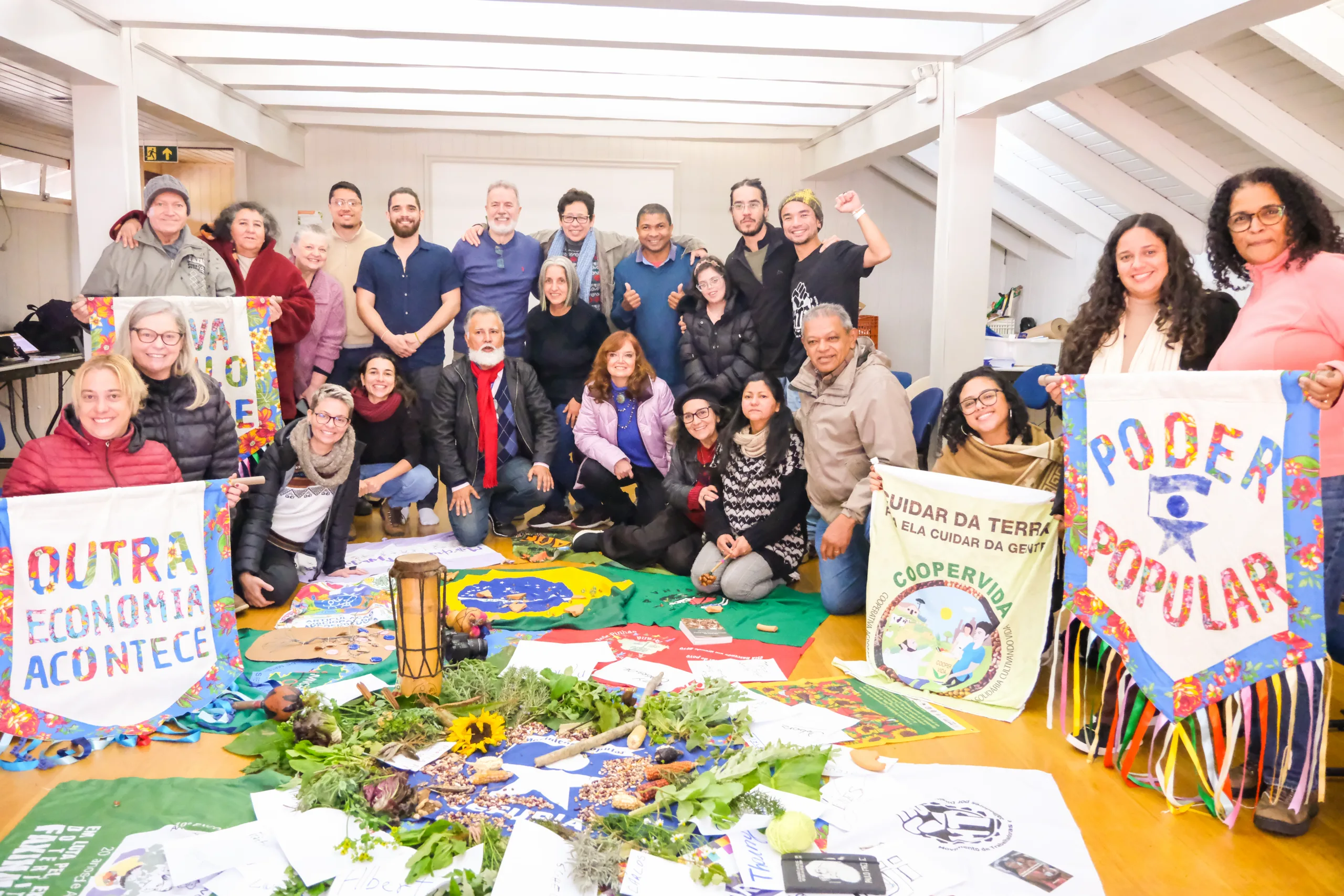
In the Greater Curitiba Metropolitan Region of Brazil, the Rede EcoAção Socioambiental RMC is bringing together civil organizations, traditional communities, and local government to address climate and environmental challenges.
The project began in August 2026 and currently maps groups across 12 municipalities. It aims to identify problems and build proposals for public policies through collaborative diagnosis and participation. The initiative is led by the Centro de Formação Urbano Rural Irmã Araújo (Cefuria) in partnership with Itaipu Binacional.
It will involve approximately 400 people including recycling workers, family farmers, educators, Indigenous people, and representatives from non-governmental organizations. These groups will work to understand local risks and formulate appropriate responses, connecting academic knowledge with community experiences. Discussions within the network emphasize that climate change impacts are not felt equally and often worsen existing social inequalities. Organizers believe that simply changing technology will not solve environmental problems, but rather a fundamental evaluation of the current system is needed.
The project prioritizes building solutions from the ground up, starting with listening to communities and mapping their needs to form “Territorial Socio-Environmental Collectives” for governance and integration. The project aligns with the United Nations Sustainable Development Goals and collaborates with the Social Participation Forum of Paraná. Future plans include regional mobilizations and the creation of a document compiling solutions identified by the communities.
The network will also use popular communication and “educommunication” to share local realities and amplify voices from the territories.