Rio de Janeiro councilwoman advocates for food sovereignty
Summary and headline written by AI from the source article. How we work
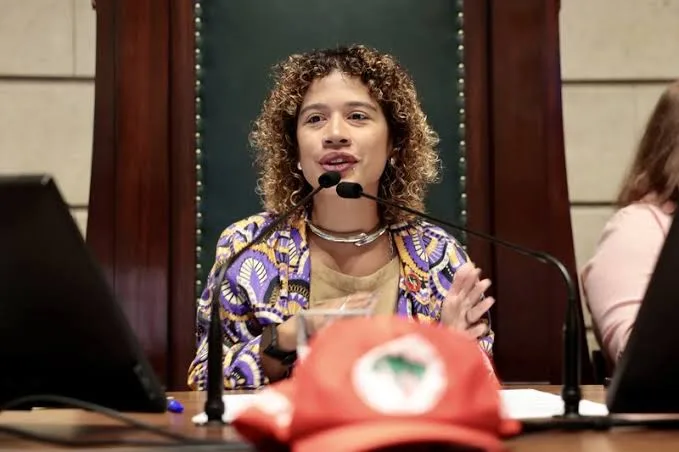
In Rio de Janeiro, Brazil, Councilwoman Maíra Santana of the Landless Workers’ Movement (MST) is working to establish food security as a key political issue.
Santana helped create a Permanent Commission on Food and Nutritional Security within the Rio de Janeiro City Council, building on work already underway with State Deputy Marina do MST.
They aim to address hunger not as an individual failing, but as a result of a larger, unequal development model and a form of “food colonialism” that favors fast food over traditional diets. Santana and her colleagues believe securing food sovereignty, controlling the conditions of food production and consumption, is essential. They are pushing for policies like land reform, support for agroecology, and strengthening community kitchens to ensure access to healthy, culturally-relevant food.
The commission intends to monitor the use of ultra-processed foods in public facilities and advocate for their reduction, citing a Fiocruz study showing these foods may contribute to 57,000 deaths annually in Brazil and cost the public treasury 10.4 billion reais per year. The councilwoman connects food security to broader issues of social justice, particularly for young people facing precarious employment.
She argues that addressing issues like the 6x1 work schedule and gig economy precarity are also matters of food security, and should be central to upcoming elections. Santana envisions a future where Brazil returns to its own food culture, prioritizing the ancestral knowledge and practices of Indigenous and Black populations, and ensuring that eating well is a political act.