Brazil’s unified health system impacts daily life
Summary and headline written by AI from the source article. How we work
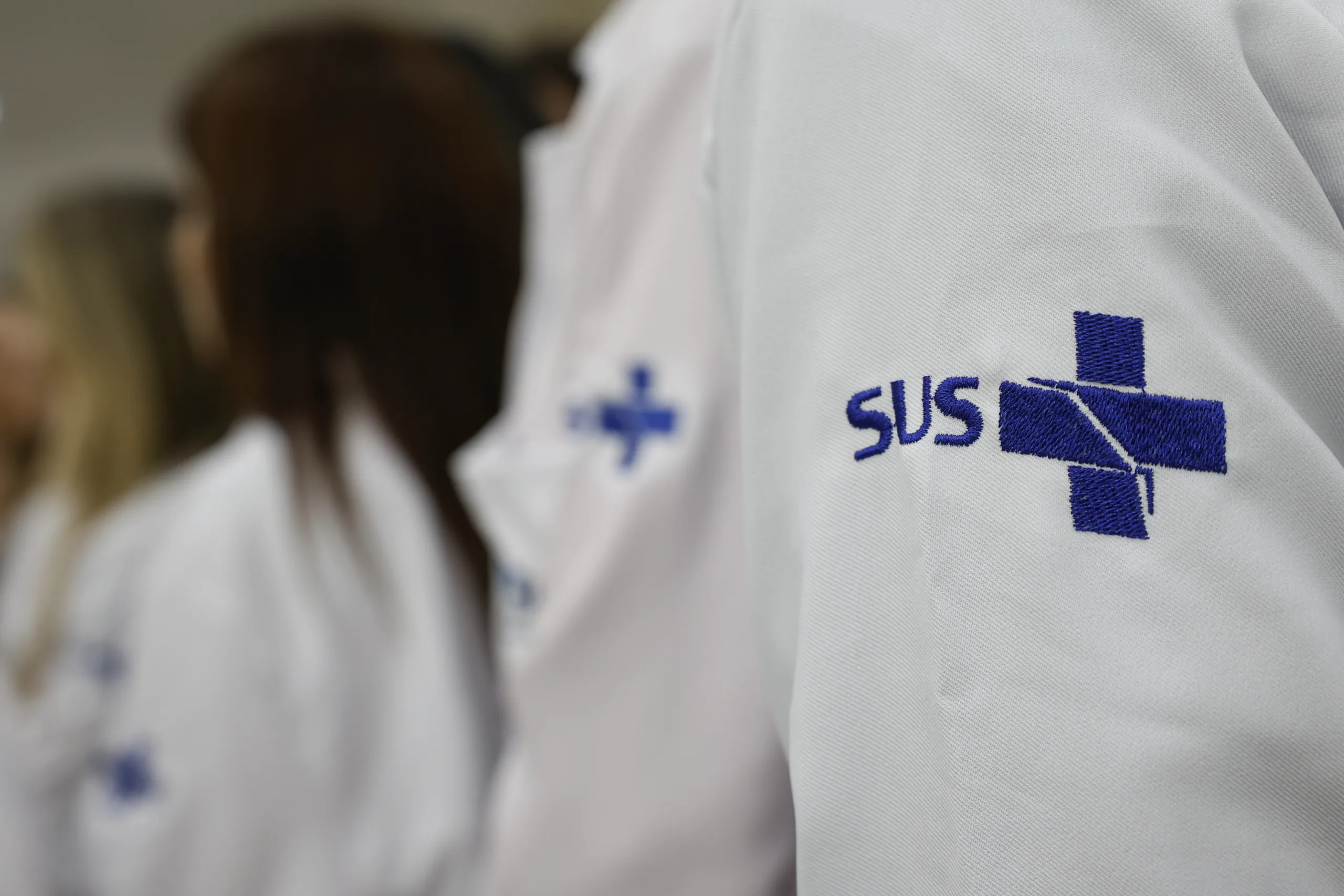
Across Brazil, the Unified Health System (SUS) provides healthcare for 150 million people and handles 2.8 billion medical appointments annually with the help of 3.5 million professionals.
According to the 1988 federal Constitution, health is a right for all citizens and a duty of the state, and SUS delivers care ranging from basic consultations to complex surgeries. The system operates on the principles of universal access, equity, and comprehensive care.
Beyond hospitals and clinics, SUS quietly works to protect public health in everyday settings. The system’s National Program for Water Quality Monitoring ensures the quality of drinking water and sewage, while the Health Surveillance agency inspects food sold in markets, bars, and restaurants. SUS also regulates and monitors the quality of medicines available for sale throughout the country, requiring authorization from the National Health Surveillance Agency (Anvisa) before they can be sold.
The reach of SUS extends to transportation hubs like airports, ports, and bus terminals, where it implements sanitary regulations and preventative measures against disease outbreaks. The Service for Mobile Emergency Care (SAMU) provides urgent assistance, with half of its funding coming from SUS, and the system supports the largest network of milk banks and blood centers in the world. Furthermore, SUS funds free gender-affirming surgeries and reconstructive procedures for women affected by violence.
Brazil has also invested in innovative programs like Community Health Workers and street-side clinics to reach vulnerable populations and improve access to care.