Ancient DNA links modern peruvians to Mochica ancestors
Summary and headline written by AI from the source article. How we work
Italian geneticist Chiara Barbieri led a study revealing that people living in the northern Peruvian departments of Tumbes, Piura, Lambayeque, and La Libertad carry genetic markers dating back over 6,000 years.
The research analyzed mitochondrial DNA and chromosomes to identify genetic components connected to ancient populations of northern Peru, including the Mochica civilization. This discovery establishes a biological link between today’s residents and archaeological sites like El Brujo, where the famed Lady of Cao was unearthed.
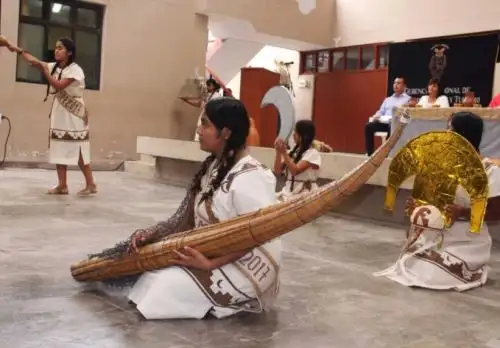
The study suggests that the continuity of these populations extends beyond genetics to include surviving cultural practices. Communities in the region continue traditions such as navigating reed boats, using ancient fishing techniques, cultivating totora reeds in wetlands, and performing rituals related to the sea and agriculture. Traditional medicine, knowledge of ancestral plants like wachuma, and the preparation of beverages like chicha de jora also persist.
Artisans maintain traditional pottery techniques, using natural pigments and clays similar to those employed by the ancient Mochica. The cultivation of naturally colored cotton and its use in weaving further demonstrates this unbroken cultural heritage, showing that the legacy of ancient Peruvian cultures lives on in contemporary communities. Archaeologist Carlos Elera Arévalo noted that districts like Mórrope, Santa Rosa, and Ciudad Eten in Lambayeque continue to practice and pass down ancestral cultural expressions.